
Rhynchosia minima
Rhynchosia minima
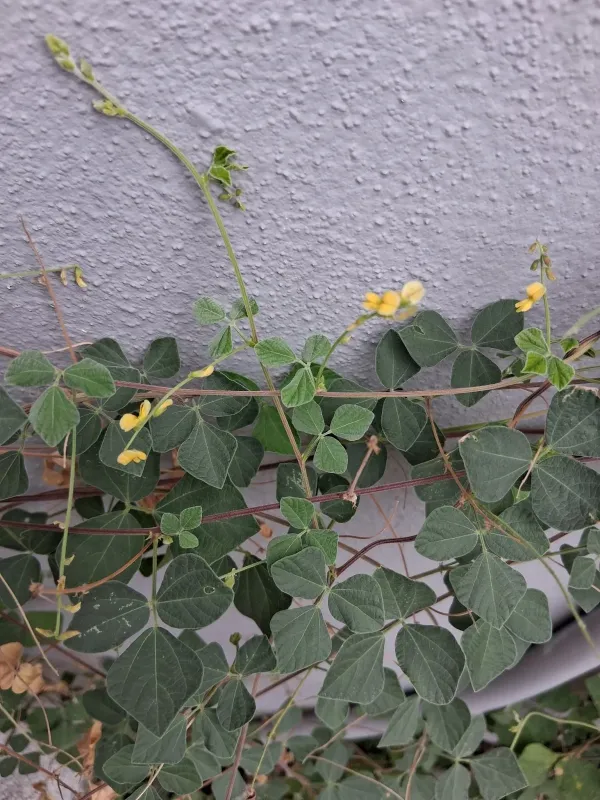
Description
Sowing dates
Planting of Rhynchosia minima should be scheduled at the beginning of the rainy season to ensure sufficient soil moisture for optimal seed germination. The ideal soil temperature for planting ranges from 22 to 28 degrees Celsius.
Seeding rates are determined by the intended use; denser stands are preferred for pasture restoration, while lower density is suitable for seed production. Seeds should be placed at a depth of 2–3 centimeters to balance oxygen availability and moisture retention.
Seed scarification is highly recommended prior to planting due to the hard seed coat, which can otherwise cause delayed and irregular germination. Inoculating seeds with appropriate rhizobial strains is essential to promote efficient nitrogen fixation.
The seeds possess a high degree of dormancy and can remain viable in the soil for extended periods, facilitating natural regeneration. This adaptability makes the species well-suited for various sowing methods, including broadcasting or row drilling.
A weed-free seedbed is crucial during the early stages of establishment to allow the young plants to compete successfully. Preparing the soil properly before sowing increases the uniformity of the stand.
Growing requirements
As a thermophilic plant, Rhynchosia minima thrives in tropical and subtropical regions. It exhibits strong resilience to short-term drought, making it an excellent candidate for semi-arid agricultural systems.
The species prefers well-drained sandy or loamy soils with a neutral to slightly alkaline pH. It is notably tolerant of nutrient-poor soils, contributing to its role as a pioneer species in land reclamation efforts.
Full sunlight is a fundamental requirement for optimal growth and flowering. Heavy shading significantly inhibits biomass production and reduces the overall quality of the forage.
Poorly drained soils or waterlogged conditions are detrimental to this crop and should be avoided. A site with effective drainage is necessary to maintain root health and prevent pathogen proliferation.
The plant is frost-sensitive and thrives only in regions where temperatures remain consistently above freezing. Within its suitable range, it demonstrates excellent multi-year persistence and stability.
Yield
Productivity is highly influenced by soil fertility and rainfall patterns during the growing season. In optimal conditions, it produces a significant amount of biomass that is rich in proteins and suitable for livestock.
Rhynchosia minima is highly palatable to various types of livestock, making it a valuable addition to pasture ecosystems. The nutritional value is highest in the fresh leaves and tender stems of the plant.
To maximize seed yield, an active population of pollinators is necessary during the flowering phase. Promoting pollinator habitats near the fields can significantly increase fruit set and overall yield.
Effective management, including controlled grazing rotation, is essential for maintaining a high-yielding pasture. Allowing the plant sufficient recovery time between grazing cycles ensures long-term sustainability.
Supplemental phosphorus application can boost biomass production and stimulate root development. Because it is a legume, the crop maintains high nitrogen levels in the soil, reducing the need for artificial fertilizers.
Main diseases and pests
Fungal diseases, such as powdery mildew, often occur in environments with high humidity and poor air circulation. Managing plant density is a key cultural practice to mitigate these risks.
Insect pests, including weevils and various lepidopteran larvae, can damage reproductive organs and foliage. Regular field monitoring is necessary to initiate control measures before significant damage occurs.
Nematodes can affect the root system, particularly in specific soil types, leading to stunted plant growth. Crop rotation is the most effective strategy to break the life cycle of these soil-borne pests.
Viral infections can be transmitted by sap-sucking insects like aphids. Controlling these vectors through integrated pest management is essential to prevent the spread of virus-related diseases.
Root rot is a common issue associated with excessive moisture and compacted soils. Providing adequate drainage and avoiding water stagnation is critical for maintaining healthy and resilient plantings.