
Rhynchosia acuminatifolia
Rhynchosia acuminatifolia
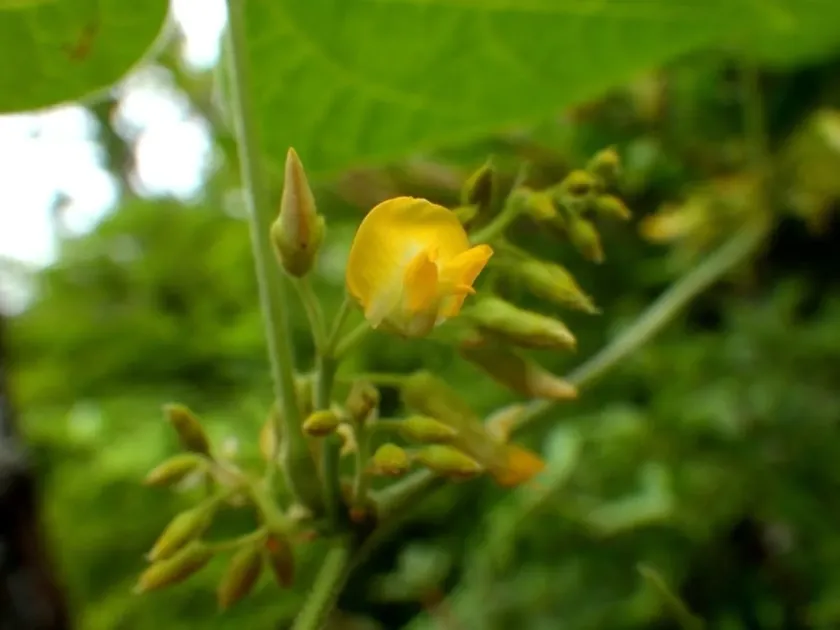
Description
Sowing dates
Rhynchosia acuminatifolia is a perennial legume species characterized by significant potential in pasture and forage systems. Planting should ideally occur when soil temperatures consistently reach 15-18 degrees Celsius, ensuring favorable conditions for seed germination.
Due to the hard-seeded nature of many legumes in this genus, mechanical or chemical scarification is often recommended prior to sowing to improve germination rates. Seeds should be sown at a depth of 2-3 cm to ensure adequate moisture contact while allowing for emergence.
Row spacing should be maintained between 45 and 60 cm to reduce early-stage competition. This spacing is critical during the establishment year when the seedlings are developing their primary root system and have limited competitive ability against weeds.
Inoculation with nitrogen-fixing bacteria is a vital step in the cultivation process. This symbiotic relationship enhances the plant's ability to access atmospheric nitrogen, significantly reducing the need for chemical fertilizers during subsequent growth stages.
Proper seedbed preparation, including firming the soil around the seeds, helps to ensure uniform germination and early plant vigor, laying the foundation for a productive long-term stand.
Growing requirements
This species thrives in well-drained, fertile soils ranging from sandy loams to clay loams. Effective drainage is essential, as waterlogged conditions can lead to root diseases and hinder the plant’s overall health and longevity.
Rhynchosia acuminatifolia exhibits remarkable drought tolerance once established. Its robust, deep-penetrating taproot allows the plant to access subsoil moisture, making it a valuable species for regions facing frequent dry spells.
As a sun-loving plant, it requires full exposure to solar radiation to maximize photosynthesis and biomass production. Shading from trees or dense weed canopy significantly reduces yields and can adversely affect the plant’s nutritional profile.
The optimal temperature range for peak growth is between 22 and 30 degrees Celsius. While it can withstand higher temperatures, providing adequate moisture during such periods helps maintain active growth and high metabolic activity.
Applying phosphorus and potassium-based fertilizers during the pre-sowing phase helps support initial root growth and strengthens the plant's resilience against seasonal environmental stresses.
Yield
The yield of Rhynchosia acuminatifolia is influenced by soil fertility, moisture availability, and the frequency of harvests. Under optimal management, it provides consistent high-quality forage throughout the growing season.
Dry matter yields can reach 4-6 tonnes per hectare in well-managed stands. The plant possesses a high capacity for regeneration, allowing for multiple cuts during a single growing season without significantly compromising plant longevity.
The nutritional value, particularly the protein content, is highest during the late vegetative and early budding stages. Harvesting during these periods ensures that the collected biomass provides maximum value to livestock as silage or hay.
For seed production, harvesting must be timed carefully as pods tend to dehisce upon reaching full maturity. Employing precise timing and harvesting technology helps minimize seed loss caused by premature pod opening in the field.
Over time, the stand typically thickens, which can lead to increased yields in the second and third years of production, provided that fertility and weed management are kept consistent throughout the life of the field.
Main diseases and pests
While generally hardy, Rhynchosia acuminatifolia can be susceptible to fungal diseases such as leaf spots or powdery mildew when humidity levels remain high for extended periods. Good field hygiene and ventilation are effective preventative measures.
Insect pests, including various aphids and weevils, pose a risk to both vegetative and reproductive parts of the plant. Integrated pest management strategies are recommended to maintain healthy population levels without relying solely on chemical intervention.
Crop rotation remains the most effective tool for long-term disease and pest control. By avoiding continuous cropping on the same land, growers can prevent the build-up of soil-borne pathogens and insect reservoirs.
Maintaining a clean field free of broadleaf weeds helps prevent the spread of viral pathogens and reduces competition for water and sunlight, thereby increasing the overall vitality of the crop.
- Monitor fields regularly for signs of fungal or insect damage.
- Utilize selective fungicides only when thresholds are exceeded.
- Encourage beneficial insect populations to naturally manage pest pressure.