
Rhynchosia volubilis
Rhynchosia volubilis
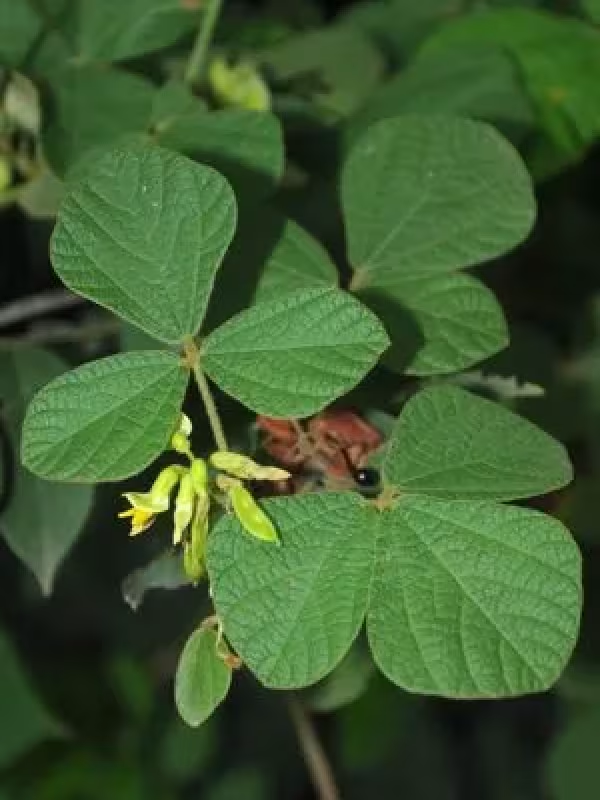
Description
Sowing dates
Rhynchosia volubilis, commonly known as trailing rhynchosia, is a perennial legume belonging to the Fabaceae family. It is native to East Asia and has a long history of utilization in various agricultural and medicinal contexts.
The sowing process requires warm soil temperatures, typically during mid to late spring. Planting too early in cold soil can lead to poor germination and susceptibility to soil-borne pathogens.
Seeds should be sown at a depth of 2 to 3 centimeters in well-prepared, loose soil. Maintaining proper spacing between rows is critical to facilitate air circulation and growth of the climbing vines.
Because the plant naturally tends to climb, providing trellis systems or mesh netting at the time of sowing is essential for maximizing yield and ensuring the health of the foliage throughout the season.
In regions with short growing seasons, starting the seeds indoors or in a greenhouse is a recommended practice to ensure the plant reaches maturity and produces viable seeds before the first frost.
Growing requirements
This crop thrives in full sunlight. While it can tolerate partial shade, maximum yield and vigor are only achieved when the plants receive consistent daily exposure to bright, direct light.
The soil should be well-drained with a slightly acidic to neutral pH. Heavy, waterlogged soils are detrimental to the roots and should be avoided or amended with organic matter and drainage materials.
Rhynchosia volubilis is relatively drought-tolerant once established, but it requires regular irrigation during the peak growing phase and the flowering stage to ensure high pod formation rates.
As a legume, it has the ability to fix atmospheric nitrogen through a symbiotic relationship with specific bacteria. This makes it a valuable crop for improving soil fertility within a diverse crop rotation cycle.
Monitoring nutrient levels, specifically phosphorus and potassium, is recommended during the bud initiation phase to support the plant's metabolic demands and enhance seed development.
Yield
The yield of Rhynchosia volubilis is measured by the quantity of harvested mature pods. The crop is highly valued for its seeds, which contain unique compounds used in functional foods and supplements.
To achieve high yields, it is essential to manage the plant's vertical growth. Crowded plants are more prone to pests and disease, which directly impacts the total harvestable weight per hectare.
The secondary use of the plant's biomass as livestock forage adds to its agricultural value. The high protein content in the leaves and stems makes it a nutritious component of animal feed mixes.
Yield consistency is achieved through a combination of timely sowing, proper irrigation, and protection from dominant weeds that compete for sunlight and nutrients during the early stages of development.
Proper harvesting techniques, such as collecting pods in multiple passes, ensure that the seeds are gathered at their peak maturity, preventing losses due to pods bursting in the field.
Main diseases and pests
Common pests include spider mites and aphids, which frequently target the soft tissues of the climbing vines. Early detection and targeted treatment are necessary to prevent severe plant stress.
Powdery mildew is a common fungal disease, especially in humid and stagnant air conditions. Improving plant spacing and utilizing proper ventilation are key cultural practices for disease suppression.
Root rot is often associated with improper soil drainage. Ensuring that the site is not prone to flooding and maintaining a good soil structure are the best defenses against root pathogens.
Integrated pest management (IPM) strategies, including the use of beneficial insects and biological controls, are preferred to maintain the ecological balance and ensure the safety of the harvested crop.
Regular field scouting throughout the growing season helps identify outbreaks early, allowing for timely interventions before the pests or diseases cause significant economic damage to the crop.
Harvesting
Harvesting begins when the pods start to dry and turn a golden or brown color. It is critical to harvest before the pods completely dry out and shatter, which would lead to significant seed loss.
Since maturity is often staggered along the vine, harvesting is typically carried out manually or in specialized stages. This ensures that only fully developed seeds are collected.
Post-harvest handling involves drying the collected pods in a well-ventilated, shaded area to reduce moisture content to safe storage levels, preventing the development of mold or mycotoxins.
Mechanical cleaning systems are used to separate the seeds from the hulls and debris, resulting in a cleaner, more marketable product that meets quality standards for industrial use.
Storage should be conducted in cool, dry conditions with low relative humidity. Proper storage containers prevent moisture absorption and help maintain the biological activity and shelf life of the seeds.