
Rhynchosia senna
Rhynchosia senna
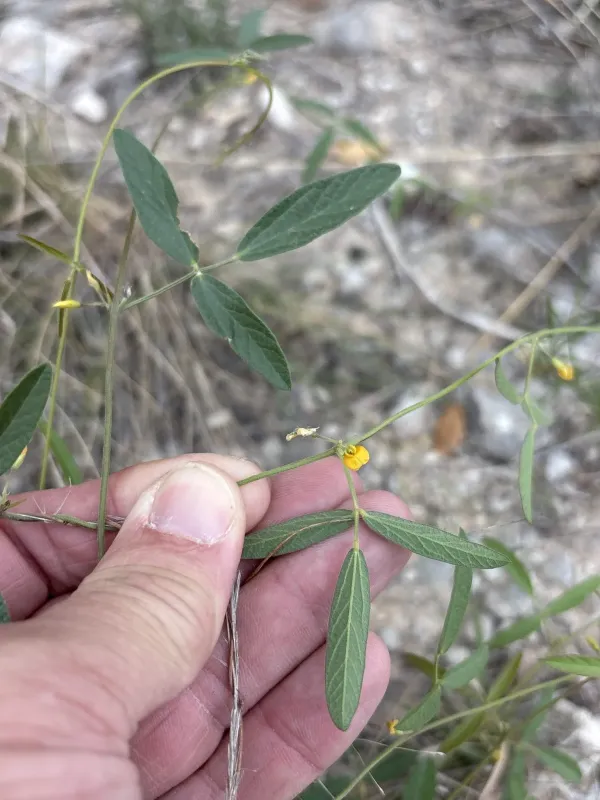
Description
Growing requirements
Rhynchosia senna is a perennial herb belonging to the Fabaceae family, widely recognized for its robust taproot system. This botanical feature allows the plant to thrive in challenging environments where water availability is significantly limited.
Native to the arid and semi-arid regions of North America, particularly in the southwestern United States and Mexico, this species has adapted to survive in harsh, rocky, and well-drained soils. It typically inhabits grasslands, prairies, and open shrublands.
The crop thrives in full sun and requires minimal soil fertility, as it is capable of nitrogen fixation through its relationship with symbiotic soil bacteria. This attribute helps improve the soil quality of the land where it grows, benefiting surrounding vegetation.
Agronomic management of Rhynchosia senna focuses on establishing the crop in well-drained, sandy, or gravelly soils. It is highly valued for its drought resistance, making it an excellent candidate for semi-arid agricultural systems.
Economically, Rhynchosia senna serves as a valuable forage resource for livestock. Its foliage provides essential proteins, which are critical for the nutrition of grazing animals in ecosystems with limited vegetative options.
Main diseases and pests
Root rot is the primary threat to the health of Rhynchosia senna, often caused by poorly drained soils or excessive irrigation. Maintaining optimal soil drainage is crucial for the long-term survival of the stand.
Pest pressures primarily include insects that target leguminous flowers and pods. Farmers should monitor for early signs of infestation during the bloom stage to prevent significant loss of seed yield.
Competition from aggressive grasses and invasive weed species during the germination phase can severely stunt growth. Successful stand establishment often requires initial weed control efforts to ensure the crop gains a competitive advantage.
Overgrazing poses a structural threat to populations of this plant. Implementing a controlled grazing schedule is vital to ensure the plants are not depleted, allowing them to regenerate annually during the growing season.
Environmental stress, such as unseasonable temperature fluctuations, can impact the vigor of the plant. While generally hardy, the species requires consistent climatic patterns during its peak growth phase to reach its maximum biomass potential.