
Hairy rhynchosia
Rhynchosia hirta
Description
Growing requirements
Hairy rhynchosia (Rhynchosia hirta) is a perennial herbaceous plant belonging to the Fabaceae family. It is primarily native to tropical and subtropical areas, where it plays an important role in local ecosystems and sustainable forage production systems.
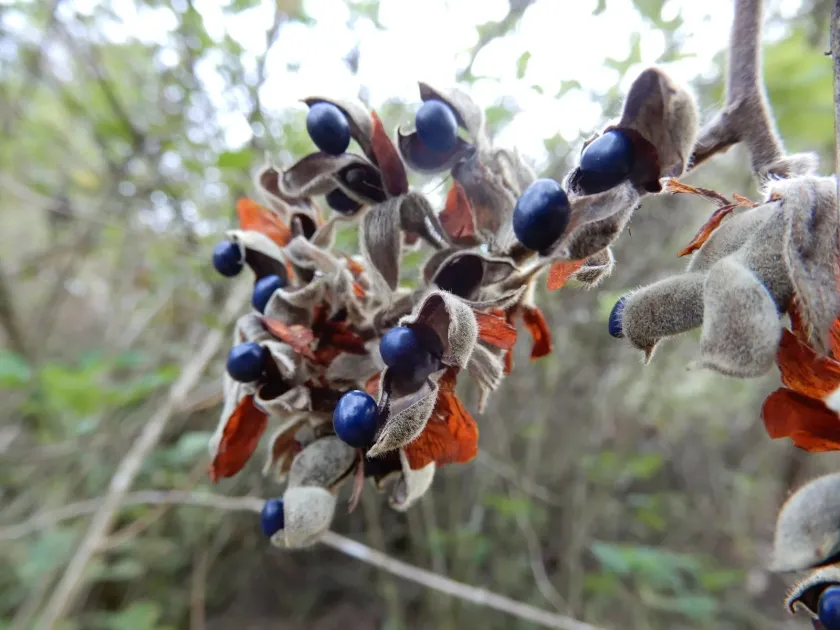
Botanically, the plant is distinguished by its hirsute stems and trifoliate leaves, which provide a biological barrier against intense solar radiation and moisture loss. The plant possesses a robust root system, characteristic of many legumes, allowing it to survive in varied environmental conditions.
Regarding soil requirements, the crop thrives in well-drained, sandy-loam environments. It is essential to ensure that the site does not have a high water table, as stagnant water poses a severe risk of rot and root decay, significantly reducing overall productivity.
Climatically, the plant requires a warm, frost-free growing season with average temperatures ranging between 22°C and 30°C. It is particularly well-adapted to regions with high solar radiation levels, utilizing these conditions to fuel rapid biomass accumulation during the rainy season.
Economically, Hairy rhynchosia is used for livestock grazing and hay production, valued for its nutritional profile rich in nitrogenous compounds. It also serves as a sustainable tool for soil improvement, fixing atmospheric nitrogen through symbiosis and enriching the soil structure for subsequent crops.
Main diseases and pests
The primary threats to Rhynchosia hirta include fungal pathogens such as anthracnose and leaf spot diseases, which typically emerge under high-humidity and low-ventilation conditions within the field canopy.
Pest pressure is mainly exerted by legume-specific insects, including aphids and pod borers. Effective crop management includes regular scouting during the flowering stage and the implementation of clean agricultural practices to minimize the risk of infestation.