
Rhynchosia totta
Rhynchosia totta
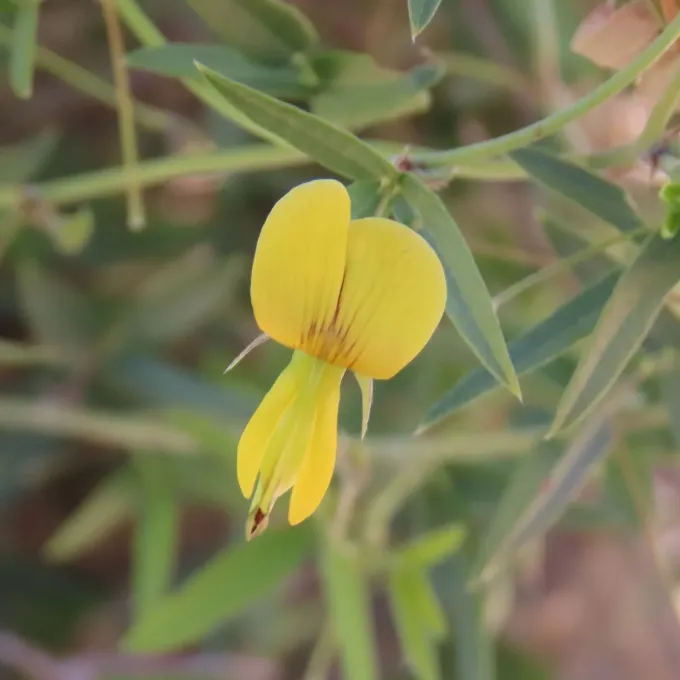
Description
Growing requirements
Rhynchosia totta is a perennial herbaceous plant belonging to the Fabaceae family, characterized by its trailing or erect growth habit.
Native to Southern and Eastern Africa, this plant has adapted to various habitats, ranging from open savannahs to high-altitude grasslands.
The species thrives in well-drained sandy or loamy soils and exhibits remarkable tolerance to periodic dry spells due to its resilient root system.
It prefers areas with high solar radiation, yet it demonstrates sufficient flexibility to grow under partial shade in diverse natural environments.
As a legume, it plays a vital role in soil health by forming symbiotic relationships with nitrogen-fixing bacteria, which enriches the soil with essential nutrients.
Yield
The primary agricultural use of Rhynchosia totta is as a forage resource for livestock grazing in extensive pastoral systems.
The aerial biomass provides a nutritious feed source, particularly during the dry season when other forage options may be scarce.
Field data suggests that the protein content of its foliage contributes significantly to the nutritional quality of natural pasture lands.
Seed production is moderate, and the harvesting process requires careful management due to the staggered ripening of the pods during the season.
Furthermore, the species is increasingly recognized for its ecological contribution to erosion control and sustainable land management practices.
Main diseases and pests
The plant is susceptible to various soil-borne fungal pathogens, especially in areas with poor drainage or during prolonged periods of excessive rainfall.
A range of insect pests, including larvae and beetles, can cause significant damage to the leaves and developing reproductive pods.
Overgrazing poses a major threat, as it can deplete the plant's energy reserves and allow invasive weed species to outcompete the crop.
Viral pathogens transmitted by sap-sucking insects like aphids are known to decrease the overall vigor and productivity of the plant stands.
Competition from aggressive grasses in the early stages of establishment requires vigilant weed management to ensure successful crop development.