
Rhynchosia nyasica
Rhynchosia nyasica
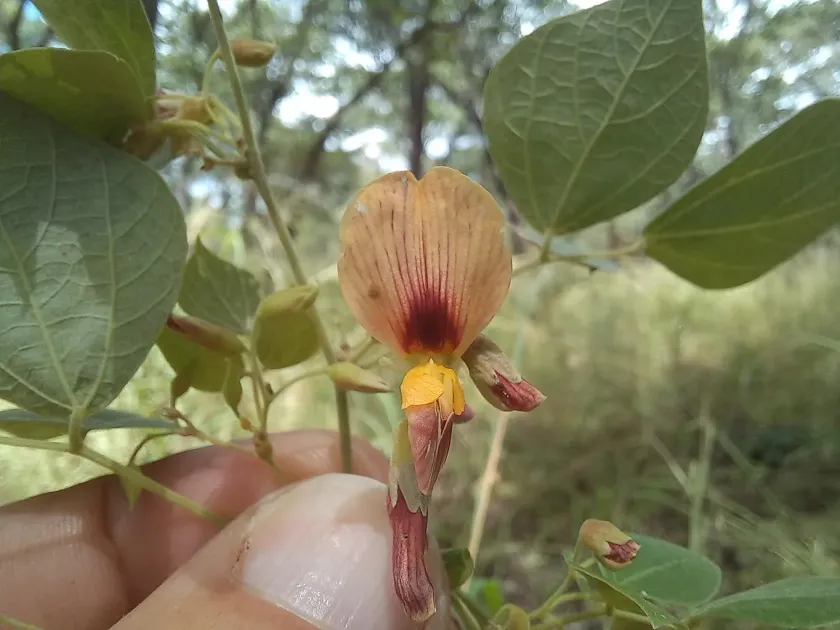
Description
Sowing dates
Rhynchosia nyasica is a perennial legume species primarily found in tropical regions. Sowing is typically aligned with the onset of the rainy season to provide the essential moisture required for successful germination.
Due to the hard seed coat characteristic of many Fabaceae members, seeds often require scarification prior to planting to ensure consistent germination rates and uniform crop emergence in the field.
The recommended sowing depth is between 2 and 4 centimeters. This depth ensures the seed has sufficient soil contact and protection from surface heat, which is crucial in semi-arid tropical environments.
Soil temperatures between 22 and 28 degrees Celsius are considered optimal for the rapid growth of seedlings. Cooler temperatures can lead to prolonged emergence, making the plants vulnerable to weed competition.
Spacing should be managed to accommodate the plant's growth habit, which may range from semi-erect to trailing. Row spacing of 50–60 centimeters is generally recommended to ensure adequate airflow and light penetration.
Growing requirements
This crop thrives in well-drained loamy or sandy soils. It is particularly sensitive to waterlogging, which can trigger root rot and significantly hinder the development of nitrogen-fixing nodules on the roots.
Rhynchosia nyasica requires full sun exposure to maintain optimal vigor. While it possesses some drought tolerance once established, prolonged dry spells can affect leaf production and overall biomass yield.
Soil pH preference is generally neutral to slightly acidic. The presence of adequate calcium and phosphorus in the soil profile is beneficial for supporting the symbiotic nitrogen-fixing bacteria.
Regular maintenance, including shallow cultivation to suppress weeds during the early establishment phase, is essential. Once the canopy closes, the plant is much more effective at outcompeting surrounding flora.
Climate adaptation focuses on tropical and subtropical regions. The species is sensitive to frost and extreme cold, requiring a growing environment that remains above freezing throughout the development cycle.
Main diseases and pests
Fungal diseases affecting the foliage are the primary threats, especially in areas with high humidity. These often manifest as leaf spots, which can lead to premature senescence of the foliage if left unchecked.
Various insect pests, such as aphids and bean beetles, are known to attack the succulent parts of the plant and developing pods, potentially causing significant damage to seed production potential.
Nematode infestations in the rhizosphere can cause stunting and chlorosis, significantly reducing the vigor of the plants and their overall ability to withstand environmental stress.
Integrated pest management (IPM) is strongly recommended to handle these threats. This includes crop rotation with non-leguminous species to break the life cycles of soil-borne pathogens and pests.
Proper field hygiene, including the removal of infected crop residues after harvest, plays a critical role in preventing the recurrence of common diseases in subsequent growing seasons.