
Sticky rhynchosia
Rhynchosia viscosa
Description
Growing requirements
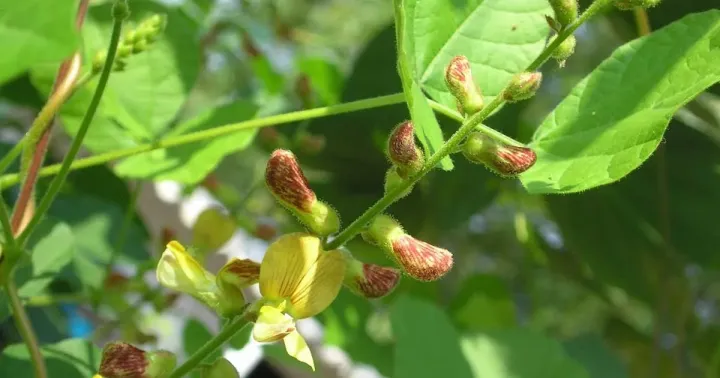
Sticky rhynchosia (Rhynchosia viscosa) is a perennial legume belonging to the Fabaceae family. It is recognized by its distinct glandular pubescence which gives the stems and leaves a sticky texture, serving as an adaptive mechanism against desiccation in harsh climates.
The plant is native to tropical and subtropical regions. Its distribution suggests a high tolerance for varying light conditions and the ability to survive in environments where rainfall is strictly seasonal, making it a robust candidate for sustainable farming systems.
Regarding soil requirements, the crop thrives in well-drained substrates ranging from sandy loams to heavier soil types, provided that waterlogging is avoided. It is particularly valued for its deep root system, which helps in soil structural maintenance and water uptake.
Agronomic practices for this species focus on initial seed bed preparation to ensure proper germination. Due to its nitrogen-fixing capabilities, it is often utilized in intercropping systems to improve the nitrogen balance of the field, thereby supporting overall farm sustainability.
The primary agricultural applications of Rhynchosia viscosa include use as a cover crop for erosion control and as a source of forage for livestock. It is also studied for its potential in land reclamation projects due to its ability to establish cover in nutrient-depleted soils.