
Rhynchosia discolor
Rhynchosia discolor
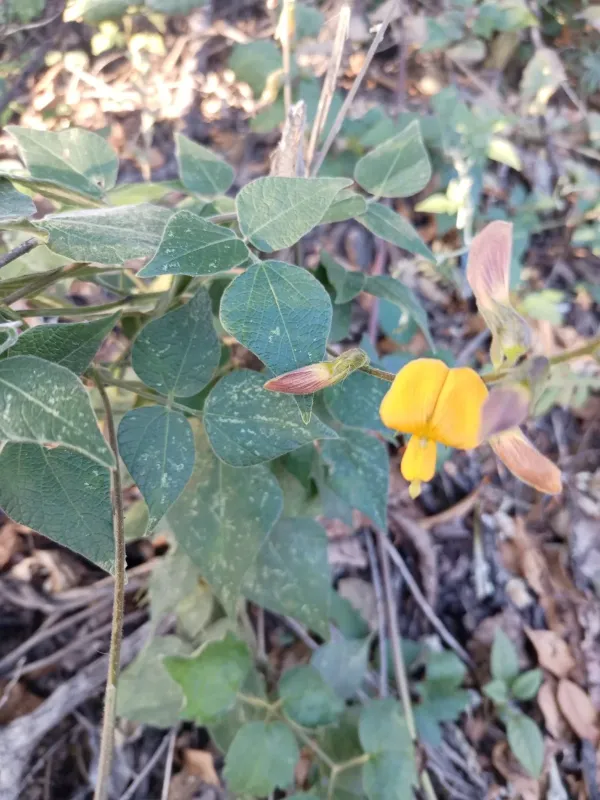
Description
Sowing dates
Rhynchosia discolor is a perennial legume species characterized by its significant potential for biomass production and soil nitrogen enrichment.
Sowing should be scheduled when soil temperatures have stabilized at a level conducive to rapid germination, typically following the last spring frost in temperate or subtropical zones.
Proper seedbed preparation is essential, requiring a fine, weed-free soil structure to ensure optimal seed-to-soil contact and consistent moisture availability.
Depending on the intended end-use, seeding rates may vary, with higher densities recommended for forage production to suppress weed competition through shading.
Inoculation with appropriate rhizobial strains prior to sowing is strongly recommended to optimize nitrogen fixation and reduce dependency on external nitrogen fertilizers.
Growing requirements
This crop thrives in a variety of soil types, provided that they are well-drained, as the species is sensitive to waterlogging which can induce root rot.
Rhynchosia discolor exhibits notable drought tolerance, utilizing its deep root system to access water during periods of seasonal moisture scarcity.
Full sun exposure is critical for the development of robust plants and maximum photosynthetic yield, necessitating site selection away from dense canopy cover.
The plant performs best within a pH range of 6.0 to 7.0, although it possesses reasonable plasticity across a range of moderately acidic to neutral soil conditions.
Effective management includes maintaining a balanced supply of phosphorus and potassium to support vigorous early growth and overall plant longevity.
Main diseases and pests
Key pests include various leaf-feeding insects and potential root-damaging larvae, which necessitate regular monitoring and timely intervention strategies.
Fungal pathogens associated with high humidity and poor airflow can compromise plant health, underscoring the importance of proper spacing during the sowing process.
Weed management is most critical during the crop establishment phase, as young seedlings can be easily outcompeted by aggressive native flora.
Implementing a rigorous crop rotation cycle helps mitigate the accumulation of soil-borne pathogens and preserves the long-term productivity of the field.
Integrated pest management protocols, including the use of pheromone traps and selective bio-pesticides, are recommended to maintain environmental sustainability.