
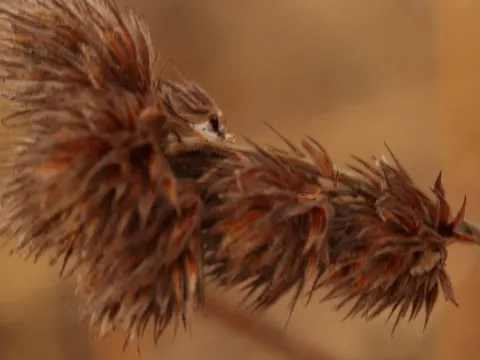
Lespedeza
Lespedeza
Planting Lespedeza should occur in early spring once soil temperatures reach a consistent 10–12°C to ensure optimal germination and early establishment.
What the section contains
 Creeping bush clover
Lespedeza repens
Creeping bush clover
Lespedeza repens
 Daurian lespedeza
Lespedeza daurica
Gerard's lespedeza
Lespedeza gerardiana
Daurian lespedeza
Lespedeza daurica
Gerard's lespedeza
Lespedeza gerardiana
 Hairy lespedeza
Lespedeza hirta
Hairy lespedeza
Lespedeza hirta
 Hairy lespedeza
Lespedeza pilosa
Hairy lespedeza
Lespedeza pilosa
 Hairy lespedeza
Lespedeza tomentosa
Hairy lespedeza
Lespedeza tomentosa
 Lespedeza bicolor
Lespedeza bicolor
Lespedeza bicolor
 Lespedeza buergeri
Lespedeza buergeri
Lespedeza buergeri
 Lespedeza caraganae
Lespedeza caraganae
Lespedeza caraganae
 Lespedeza cyrtobotrya
Lespedeza cyrtobotrya
Lespedeza cyrtobotrya
 Lespedeza davidii
Lespedeza davidii
Lespedeza davidii
 Lespedeza floribunda
Lespedeza floribunda
Lespedeza floribunda
 Lespedeza japonica
Lespedeza latissima
Lespedeza latissima
Lespedeza japonica
Lespedeza japonica
Lespedeza latissima
Lespedeza latissima
 Lespedeza thunbergii
Lespedeza thunbergii
Lespedeza thunbergii
 Lespedeza violacea
Lespedeza violacea
Lespedeza violacea
 Lespedeza virgata
Lespedeza virgata
Lespedeza virgata
 Lespedeza virginica
Lespedeza virginica
Lespedeza virginica
 Round-headed bush clover
Lespedeza capitata
Round-headed bush clover
Lespedeza capitata
Lespedeza
Seeds should be sown at a shallow depth of 1–2 centimeters, as burying them too deep significantly decreases the emergence rate of this small-seeded legume.
It is standard agronomic practice to scarify the seeds before planting to break the seed coat dormancy, which dramatically improves uniform emergence.
In regions with unpredictable spring weather, seeding under a light cereal cover crop is recommended to protect the sensitive seedlings from harsh environmental stress.
The recommended seeding rate typically ranges from 10 to 15 kilograms per hectare, depending on the chosen method of planting and the target plant density.
Lespedeza is a versatile member of the Fabaceae family, recognized for its remarkable drought tolerance, making it suitable for sandy and nutrient-poor soils.
The plant thrives in full sun exposure; inadequate lighting or competition from weeds can lead to stunted growth and reduced biomass production per hectare.
Soil pH levels should ideally fall between 5.5 and 7.0 for optimal growth, while the plant strongly avoids poorly drained or waterlogged field conditions.
Its deep root system is capable of extracting deep-seated nutrients, which makes the crop highly effective in soil conditioning and structure improvement.
While adapted to moderate climates, the crop requires stable thermal conditions during its early vegetative stages to prevent frost damage to tender shoots.
Forage yield typically ranges from 150 to 300 quintals of green matter per hectare, depending on soil fertility, moisture availability, and the specific variety used.
Seed production yield generally fluctuates between 5 and 8 quintals per hectare, depending on the timing of harvest and environmental conditions during flowering.
As a notable honey plant, Lespedeza provides a significant nectar flow, with honey yields often reaching 30–50 kilograms per hectare in prime conditions.
The crop serves various agricultural roles, including high-quality hay production, livestock grazing, and the manufacture of nutrient-dense grass pellets.
Its high protein content during the budding stage makes it a preferred alternative to alfalfa in livestock rations, providing essential minerals and vitamins.
Fungal diseases like anthracnose and powdery mildew represent the primary phytosanitary risks, especially under conditions of high humidity and poor ventilation.
Key insect pests include aphids and weevils, which may cause economic damage by attacking leaves and developing seeds if not monitored regularly.
Management strategies focus on maintaining proper field sanitation, crop rotation, and utilizing disease-resistant varieties to minimize chemical interventions.
Integrated pest management protocols should be followed when dealing with outbreaks, prioritizing biological controls and selective insecticides for safety.
Effective weed suppression during the first year is vital, as the slow initial growth rate of Lespedeza makes it vulnerable to competition from aggressive grasses.
Harvesting for hay should take place when the crop is in full bloom, ensuring the best nutritional profile regarding protein and fiber content for animal feed.
Maintain a stubble height of at least 5–7 centimeters during mowing to preserve the crown of the plant, which is crucial for quick regrowth and seasonal longevity.
When harvesting for seeds, farmers use combine harvesters with reduced drum speeds to minimize seed shattering and prevent mechanical damage to the delicate pods.
Post-harvest, the green biomass must be cured rapidly to reach a safe moisture content, preventing spoilage and ensuring stable storage of the nutritious crop.
Seeds intended for future planting should be cleaned, dried to a low moisture percentage, and kept in cool, dry storage to maintain long-term viability.