
Lespedeza davidii
Lespedeza davidii
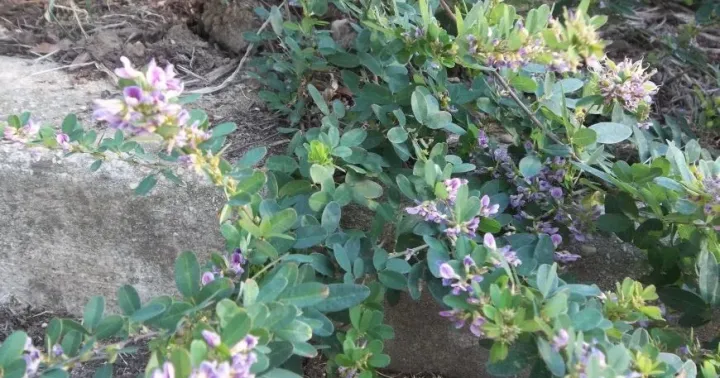
Description
Sowing dates
The sowing of Lespedeza davidii is best performed in early spring once soil temperatures reach at least 10-12 degrees Celsius. Seed scarification is highly recommended due to the hard seed coat, which naturally delays germination in untreated seeds.
Seeding rates typically range from 10 to 15 kilograms per hectare, depending on the desired plant density. Seeds should be placed at a shallow depth of 1-2 centimeters to ensure adequate contact with moist soil while allowing for easy emergence.
Establishment during the first year is slow as the plant invests significant energy into developing its root system. During this phase, it is vital to maintain weed-free conditions to prevent competition for light and water.
Dormant seeding in late autumn is an alternative practice in some climates, allowing seeds to undergo natural stratification over the winter. This often leads to earlier spring emergence and better stand establishment.
Inoculation with species-specific rhizobia bacteria is essential at the time of sowing. This biological treatment optimizes nitrogen fixation, significantly boosting plant vigor and overall yield potential.
Growing requirements
Lespedeza davidii is a member of the Fabaceae family, recognized as a hardy perennial shrub. It is highly valued for its ability to thrive in challenging environments, including poor, sandy, and rocky soils.
The crop requires full sun for optimal performance, as reduced light exposure leads to a significant decrease in biomass production. It is exceptionally resilient to drought once established, making it a reliable choice for arid regions.
While it tolerates a wide range of soil pH levels, it performs best in slightly acidic to neutral soil conditions. Its extensive root system allows it to stabilize soil, making it a primary candidate for controlling erosion on slopes.
The plant exhibits good cold tolerance, allowing it to survive winter conditions across various temperate zones. However, providing protection or selecting sites with consistent snow cover can improve overwintering success.
Its ecological plasticity makes it a key species for phytoremediation and the restoration of degraded agricultural lands. It is a sustainable crop choice that requires minimal inputs once the stand is well-established.
Yield
The forage yield of Lespedeza davidii can reach up to 25-30 tonnes of green biomass per hectare under favorable management practices. The high protein content of the foliage makes it a high-quality feed supplement for livestock.
Beyond its forage value, the plant is a prolific producer of seeds, which are vital for natural reseeding and potential commercial sale. Yields of 300-500 kilograms of seed per hectare are achievable with proper field conditions.
The crop is highly attractive to honeybees and other pollinators, contributing to high seed yields. This makes it a multi-purpose crop that supports agricultural biodiversity while producing substantial biomass.
Applying phosphorus and potassium fertilizers based on soil tests helps maintain high productivity over a 5-7 year period. Nitrogen fertilization is typically unnecessary, as the plant fulfills its own nitrogen requirements.
Regular maintenance, including strategic pruning or harvesting, encourages vigorous regrowth. Proper management ensures that the plant remains productive throughout its lifespan without the need for frequent replanting.
Main diseases and pests
Fungal leaf spot diseases are the most common issue, particularly in areas with high humidity and poor air circulation. Proper spacing between rows is the most effective preventative cultural practice.
Pests such as spider mites and various weevils may occasionally attack the plant during dry spells. Regular scouting allows for early detection and targeted management, minimizing the need for chemical intervention.
Powdery mildew can occur in dense stands; therefore, ensuring adequate ventilation and minimizing moisture accumulation on foliage are key management strategies. Disease resistance is generally high, making chemical control a secondary option.
Crop rotation remains the best strategy to prevent the accumulation of soil-borne pathogens. Avoiding back-to-back planting with other legumes reduces the pressure from diseases specific to the Fabaceae family.
Quality seed selection and appropriate storage practices significantly lower the risk of introducing diseases into new fields. These foundational steps are crucial for the long-term health of the crop stand.
Harvesting
Harvesting for forage is ideally timed during the full bloom stage to maximize nutrient density. At this point, the plant contains an optimal balance of protein and digestible fibers, providing excellent animal feed.
Mechanical harvesting with a standard mower set to a height of 5-7 centimeters promotes healthy regrowth. Care should be taken not to damage the crown of the plant, ensuring its longevity for subsequent years.
Seed harvest is conducted when the pods turn dark brown, indicating full maturity. A two-phase harvesting method is often preferred to reduce losses from natural seed shattering before full harvest.
Efficient hay drying is critical to preserving the nutrient value and preventing mold development during storage. Proper airflow in storage facilities helps maintain hay quality for long-term use.
After harvest, seeds must be cleaned and dried to a moisture content of 12 percent or lower. Storing in cool, dry conditions ensures that the germination rate remains high until the next planting season.