
Lespedeza virgata
Lespedeza virgata
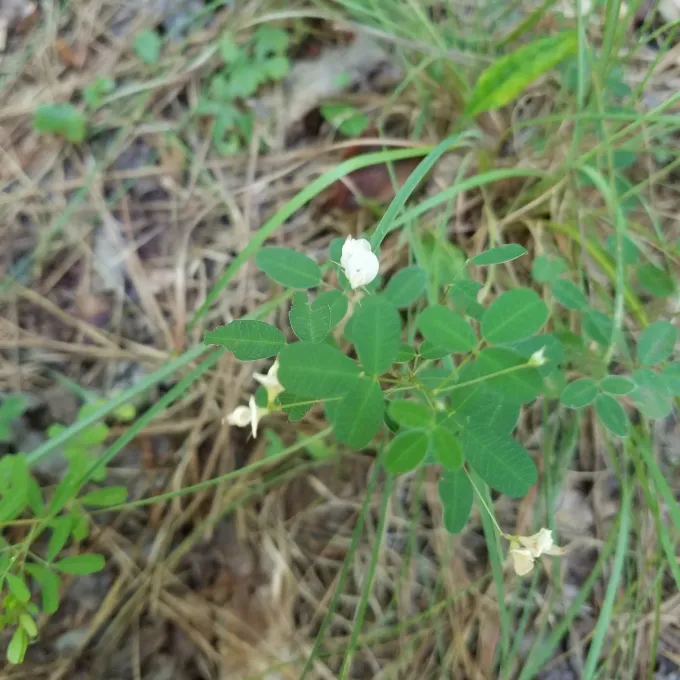
Description
Sowing dates
Lespedeza virgata is a perennial shrub belonging to the Fabaceae family, known for its robustness and environmental adaptability. Sowing is typically performed in early spring, once soil temperatures consistently reach 10–12°C, ensuring a stable environment for seedling establishment.
Seeds of this species feature a hard seed coat that requires scarification before planting. This mechanical or chemical treatment is essential to break dormancy and significantly increase germination rates in field conditions.
The seeds should be planted at a shallow depth of 1–2 centimeters. Proper soil contact is critical, and light rolling after sowing is recommended to maintain optimal moisture levels around the seeds, which prevents drying out during early development.
During the first year, Lespedeza virgata exhibits slow initial growth as it prioritizes root system establishment over biomass production. Growers must focus on effective weed control during this period to prevent competitive stress from suppressing the young plants.
Row planting with spacing between 30 and 45 centimeters is standard practice. This spacing supports efficient plant development and allows for mechanical weeding, which is highly beneficial for maintaining high-quality stands in the early stages of cultivation.
Growing requirements
Originating from East Asia, this species has evolved to thrive in diverse climatic conditions. It is remarkably drought-tolerant, capable of surviving in areas with irregular rainfall patterns where more sensitive forage crops might fail.
The crop is not demanding regarding soil quality, showing excellent performance on sandy, loamy, and depleted soils. Notably, it displays high tolerance to acidic soil conditions, making it an ideal choice for land reclamation and improving degraded sites.
Lespedeza virgata requires full sun exposure to maximize photosynthetic efficiency and overall growth. While it can withstand partial shade, significant shading will result in thinner, less productive stands and a reduction in the overall nitrogen-fixing capacity of the crop.
The species demonstrates good winter hardiness. Its well-developed root system provides the necessary reserves for rapid spring regrowth, allowing it to compete effectively with surrounding vegetation each season.
The symbiotic relationship with nitrogen-fixing bacteria allows this plant to improve soil health by increasing nitrogen content. As a result, it is highly valued in sustainable agriculture for its ability to restore soil fertility while providing forage.
Main diseases and pests
Lespedeza virgata is generally resilient, but it can be susceptible to several diseases common to legumes. Fungal pathogens, such as leaf spot, may appear during prolonged periods of high humidity and poor ventilation within the stand.
Pest pressure from aphids or various beetle species can occasionally affect the plant. Monitoring of foliage during the spring and summer months allows for timely identification of infestations before they reach economic threshold levels.
Root rot issues can occur if the crop is planted in poorly drained, heavy clay soils where moisture persists. Proper site selection and ensuring adequate soil drainage are the most effective preventative measures against root-related pathologies.
Viral diseases, though less common, can be transmitted by insect vectors. Maintaining clean fields and removing weed hosts from the surrounding area are standard practices for reducing the risk of disease transmission in established plantings.
Integrated pest management strategies are encouraged to maintain the health of the stand without excessive chemical use. Balancing soil nutrients helps the plant sustain its natural defenses against common pathogens and environmental stressors.
Harvesting
The primary use of Lespedeza virgata is for forage production, specifically as high-quality hay or green fodder. The optimal harvest time occurs during the full bloom phase, which offers the best nutritional profile for livestock.
Producers are advised against delaying the harvest beyond the peak flowering stage, as stems become lignified and nutritional value declines rapidly. Harvesting at the right maturity stage is critical to ensure high protein content and digestibility for animals.
When producing hay, careful handling is necessary to preserve the delicate leaves, which hold the bulk of the protein content. Using modern equipment that minimizes shattering during the drying process is a recommended practice to maintain feed quality.
The crop exhibits strong regrowth potential after mowing. Under adequate moisture conditions, multiple harvests are possible within a single growing season, provided that soil fertility is maintained through periodic fertilization.
Beyond its feed value, the species is frequently employed for soil conservation. In such cases, managing the harvest is focused on protecting the root system and preventing erosion on slopes, ensuring the long-term stability of the terrain.