
Lespedeza caraganae
Lespedeza caraganae
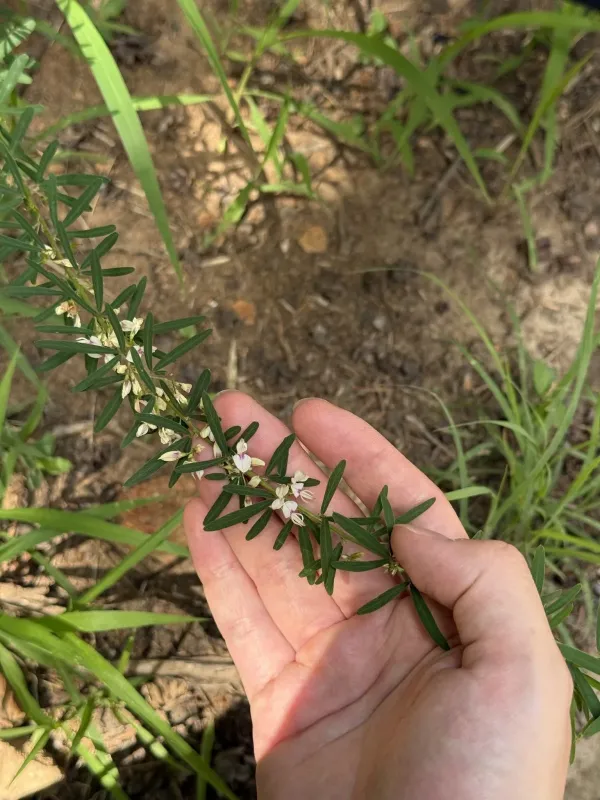
Description
Sowing dates
Sowing of Lespedeza caraganae is typically carried out in the spring season once soil temperatures reach 10–12°C. The optimal timing for most regions falls between the second half of April and early May.
Quality seedling emergence requires thorough soil preparation, including deep plowing and leveling of the field surface. Ensuring adequate contact between the seeds and the moist soil layer is essential for obtaining uniform germination.
The seeds of this crop have a hard seed coat, making scarification — a mechanical method to damage the shell — highly recommended before sowing. This practice significantly improves field emergence and seed vigor.
The seeding rate depends on the method of sowing and the cultivation goals, generally ranging from 10 to 15 kg per hectare for row seeding. Seeding depth should not exceed 1.5–2 cm to avoid stressing weak sprouts during early growth.
After sowing, rolling the soil is recommended to firm the top horizon and improve moisture retention. As the crop develops slowly in its first year, timely weed management is crucial for successful establishment.
Growing requirements
Lespedeza caraganae belongs to the Fabaceae family and is highly valued for its drought tolerance and minimal demands on growing conditions. It effectively develops on poor, stony, or sandy soils where other species may fail.
The crop prefers well-lit areas and does not tolerate heavy shading. It possesses a powerful root system that improves soil structure and facilitates nitrogen fixation through symbiosis with nodule bacteria.
Climatically, the plant is adapted to continental conditions characterized by significant temperature fluctuations. It successfully withstands prolonged dry periods, maintaining green mass even during summer heatwaves.
Soils for Lespedeza must have good aeration, as waterlogging and poor drainage are critical limiting factors. The optimal soil pH range is between slightly acidic and neutral.
In its natural habitat, the plant is found in forest-steppe zones and mountainous slopes. Due to its ecological plasticity, it is actively utilized for phytoreclamation and stabilizing erosion-prone lands.
Yield
The green mass yield of Lespedeza caraganae directly depends on management intensity and soil fertility levels. In favorable years, the crop is capable of producing a stable harvest of highly nutritious forage.
Productivity indicators can reach 15–25 tonnes of green mass per hectare with appropriate agronomic practices. Seed yield averages between 300 and 500 kilograms per hectare.
Its high nutritional value allows the plant to serve as an essential component in livestock feed rations. The green mass is rich in protein, making it an indispensable asset for livestock farms.
When used in hayfields or pastures, Lespedeza ensures the longevity of the grassland. Because of its rapid regrowth capacity after cutting, it allows for two full harvests per season.
The economic value also extends to its role as a significant nectar source, providing bees with food during the summer dearth period, thereby increasing the overall profitability of the farm.
Main diseases and pests
The main threats to Lespedeza crops are fungal diseases that develop under poor water management. Specifically, excessive humidity promotes the growth of various powdery mildews and leaf spot diseases.
Among pests, weevils cause the most significant damage by attacking reproductive organs and reducing seed quality. Aphid activity, which involves sucking sap from young shoots, is also frequently observed.
Disease management involves agronomic methods: maintaining crop rotation, ensuring proper plant density, and timely harvesting. Chemical control is rarely applied and only in cases of severe infestation.
Improper mowing schedules can weaken the plant’s immune system, making it more susceptible to secondary infections. It is important to leave sufficient stubble height to ensure successful winter survival.
Monitoring the crop throughout the growing season is essential for preventing epiphytotics. Early detection of infection clusters allows for localized containment with minimal resource expenditure.
Harvesting
Harvesting Lespedeza for hay is conducted at the beginning of the flowering stage, when the concentration of nutrients in the leaves and stems is at its peak. At this point, the plant is richest in protein and vitamins.
For seed production, harvesting is performed when the majority of pods turn brown to prevent shattering. Utilizing direct combining requires precise equipment settings to minimize yield losses.
The cut mass is left in windrows until optimal moisture content is reached, followed by baling or collection for processing. Using modern mower-conditioners accelerates the drying process and improves hay quality.
Feed storage must take place in dry, ventilated buildings to prevent mold and nutrient loss. Properly dried hay maintains its green color and aroma throughout the entire winter season.
After the harvest is completed, fields should be cleared of plant residues to prevent the accumulation of pathogens and pests in the soil. In some cases, light disking is performed to stimulate spring regrowth.