
Leucaena trichodes
Leucaena trichodes
Description
Growing requirements
Leucaena trichodes is a species within the Fabaceae family, native to tropical South America. It is characterized as a fast-growing leguminous tree that thrives in humid tropical environments, often found in savanna-like ecosystems and forest fringes.
The climate requirements for this species are strict regarding temperature; it requires warm conditions year-round and is highly sensitive to frost. Adequate rainfall or supplemental irrigation is essential during the initial establishment phase to ensure deep rooting.
Regarding soil preferences, the plant is adaptable to various soil types, including acidic and weathered tropical soils. Its ability to fix atmospheric nitrogen allows it to flourish in nutrient-poor conditions while simultaneously enhancing soil structure and fertility.
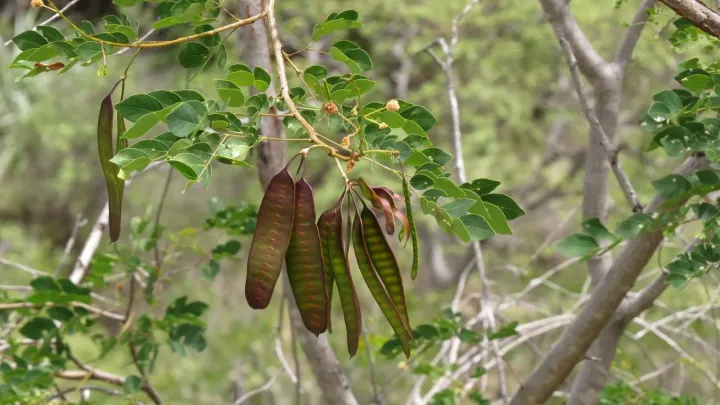
Botanically, Leucaena trichodes is recognized by its bipinnate leaves and clusters of bean-like pods. The species exhibits a strong canopy growth pattern, which is highly beneficial for creating shaded environments in diversified agroforestry systems.
The primary economic value lies in its multipurpose nature: it is utilized for timber production, soil conservation, and as a protein-rich forage source for livestock. Its rapid biomass accumulation makes it a valuable asset for sustainable forestry management.
Main diseases and pests
The main threats to Leucaena trichodes involve insect pests such as psyllids and various leaf-eating beetles. Continuous assessment of plantation health is necessary to mitigate potential losses during the growing season.
Pathogenic fungi can cause root rot or leaf spot diseases, especially in areas with poor drainage and stagnant moisture. Implementing proper landscape drainage is a critical agronomic requirement to maintain healthy plant growth.