
Lespedeza violacea
Lespedeza violacea
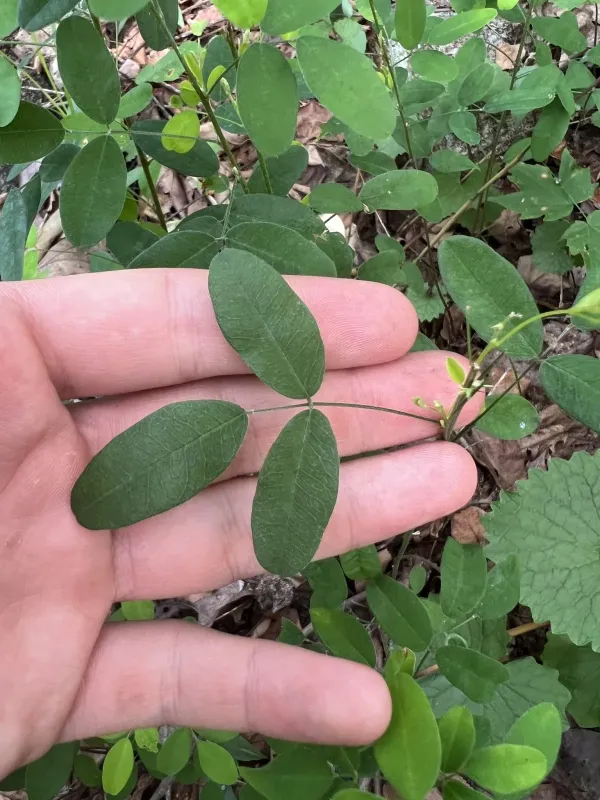
Description
Sowing dates
Lespedeza violacea, a member of the Fabaceae family, is a perennial legume utilized as a forage crop. Sowing is best performed in the spring once soil temperatures reach 12–15 degrees Celsius to ensure uniform germination.
The seeds have a hard seed coat, making scarification a necessary practice before planting to improve the rate and consistency of seedling emergence across the field.
Seeds should be planted at a depth of 1 to 2 centimeters. Light rolling of the soil post-seeding is recommended to ensure optimal seed-to-soil contact and to prevent the surface from drying out too quickly.
In regions with unpredictable spring weather, it is essential to monitor moisture levels, as young seedlings are sensitive to drought until their root systems are fully established.
Row planting is the preferred method, as it facilitates weed control and mechanical inter-row cultivation, which are critical during the establishment phase of the perennial crop.
Growing requirements
The crop thrives in well-drained sandy loam or loam soils with a neutral to slightly acidic pH. Waterlogging is detrimental to the plant and must be avoided by choosing well-drained locations.
Lespedeza violacea is sun-loving and performs best in open, bright areas. While it can tolerate partial shade, maximum vegetative yield is achieved when plants have full access to sunlight.
It is known for excellent drought tolerance, utilizing its deep root system to access water during dry spells, which makes it a resilient choice for areas prone to summer moisture deficits.
Application of phosphorus and potassium fertilizers promotes root health and increases the winter hardiness of the plant, especially in northern regions where the crop faces freezing temperatures.
Regular aeration of the soil through light cultivation is beneficial, especially in the first year, to support the symbiotic nitrogen-fixing bacteria residing in the plant's root nodules.
Yield
Yield depends significantly on soil fertility and management practices. The crop provides high-quality forage, rich in protein and essential minerals when harvested at the right growth stage.
It is used for hay production, haylage, or as high-quality pasture. Due to its high leaf-to-stem ratio during flowering, it is highly palatable and nutritious for livestock.
As a legume, it fixes nitrogen, improving soil health and providing a significant fertility boost for subsequent crops in a rotation cycle, making it an excellent sustainable agricultural choice.
Dry matter yields typically range from 20 to 40 quintals per hectare, depending on local climate conditions and the number of harvests conducted during the peak growing season.
The crop can be productive for several years if managed correctly, as long as the crown of the plant is protected during the harvest process to allow for consistent regrowth.
Main diseases and pests
Leaf spot diseases are common, especially in humid conditions. Maintaining adequate plant spacing and ensuring good airflow within the canopy are effective cultural control methods.
Pests such as weevils and aphids can target young foliage and buds. Regular field monitoring is essential to identify infestations early and apply biological control measures if needed.
Leaf-eating caterpillars can occasionally cause significant damage during peak growth periods, reducing the photosynthetic area and overall forage value of the plant population.
Powdery mildew may appear during periods of high temperature fluctuations. Proper site selection and avoiding overcrowding help minimize the spread of this fungal infection.
Root damage by rodents can occur in some regions, particularly under consistent snow cover in winter, but this is generally managed through standard pest control practices on the farm.
Harvesting
For high-quality hay, harvesting should occur during the early flowering stage. This timing ensures the best balance between protein concentration and fiber digestibility for livestock consumption.
Seed harvest should be timed when the pods darken, signaling maturity, which minimizes the risk of pod shattering and seed loss during the mechanical harvesting process.
Cutting height should be maintained at 5–7 centimeters to preserve the plant's crown, which is vital for quick regrowth and ensuring the long-term productivity of the perennial stand.
After cutting, the biomass should be allowed to wilt in windrows to reduce moisture content before baling, which prevents spoilage and mold growth during storage.
Storage must be in dry, well-ventilated barns to protect the nutritional value of the hay and prevent degradation from moisture or pest infestations over the winter months.