
Lespedeza cyrtobotrya
Lespedeza cyrtobotrya
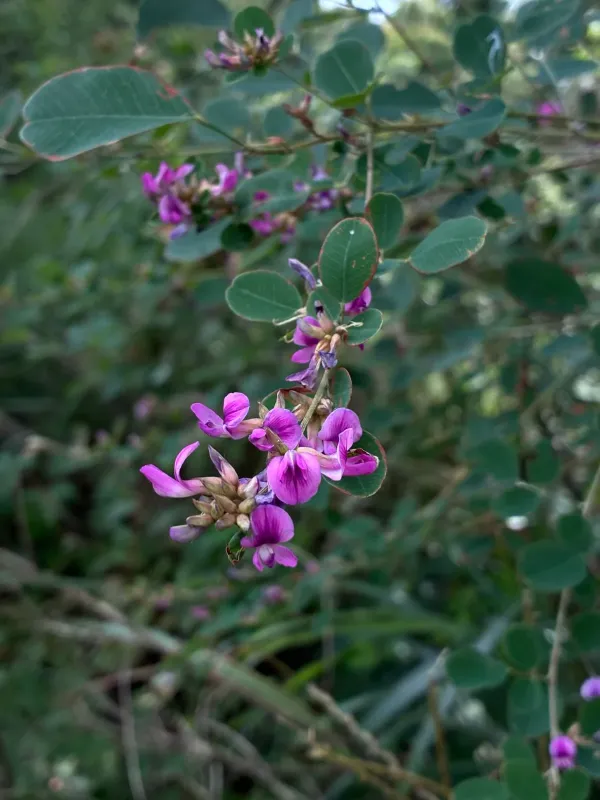
Description
Sowing dates
Lespedeza cyrtobotrya belongs to the Fabaceae family and is a perennial shrub widely utilized for phytoremediation and forage purposes. Sowing is typically conducted in the spring when soil temperatures reach 10-12 degrees Celsius.
To ensure uniform germination, seeds require prior scarification because they possess a hard seed coat that hinders moisture absorption. The optimal seeding depth is 1.5–2 cm, depending on the soil texture.
The crop is characterized by slow initial growth during the first year, necessitating proactive weed control during the early vegetation stages. In subsequent years, the plant develops a robust vegetative mass.
Seeding density is adjusted based on the specific end-use, such as fodder production or slope stabilization. The plant propagates successfully through both seeds and vegetative means under favorable natural conditions.
Autumn sowing is only viable in mild climates where there is no risk of frost damage before rooting occurs; however, spring sowing remains the most reliable method to ensure high survival rates of young plants.
Growing requirements
Lespedeza cyrtobotrya is a light-demanding crop that requires open areas to reach its full development potential. The plant demonstrates high drought tolerance and adaptability to impoverished, eroded soils.
The crop prefers well-drained sandy, sandy-loam, or stony soils. While it can tolerate slight acidity, the best yields are achieved in neutral or slightly acidic soils with good humus content.
The plant possesses a well-developed root system capable of penetrating deep into soil horizons, making it indispensable for anti-erosion measures on slopes and embankments.
Water requirements are moderate, as mature specimens easily tolerate long periods without rainfall. Excessive waterlogging and stagnant moisture can inhibit growth and lead to the development of root rot diseases.
During the active vegetation period, Lespedeza cyrtobotrya responds positively to phosphate-potash fertilizers, which promote better shoot maturation and increase the winter hardiness of the shrub.
Yield
The economic utility of Lespedeza cyrtobotrya includes the creation of high-protein fodder pastures, its role as a valuable honey plant, and its function as a green manure crop. Green mass yield depends on stand density and soil fertility.
Under favorable moisture conditions, the plant is capable of providing several cuts per season. Leaves and young shoots are highly nutritious, rich in protein and essential minerals, making them suitable for hay and silage preparation.
As a melliferous crop, Lespedeza is valued for its long flowering period, providing bees with a late nectar source. Honey produced from Lespedeza is noted for its excellent taste and therapeutic properties.
The biological importance of this plant lies in its ability to fix atmospheric nitrogen through symbiosis with nodule bacteria, which significantly improves the soil nitrogen balance after the field is turned.
When used in phytoremediation, yields are measured not only by the weight of green mass but also by the plant's capacity to stabilize soil and prevent water and wind erosion on marginal lands.
Main diseases and pests
Lespedeza cyrtobotrya is highly resistant to most typical diseases affecting agricultural legumes. However, poor agronomic management, particularly in cases of waterlogging, can lead to fungal infections.
Root rots are the most significant threats, occurring mainly in heavy, poorly drained soils. Prevention strategies involve choosing appropriate planting sites and adhering to proper crop rotation schedules.
Harmful insects, such as weevils and various leaf beetles, can damage young seedlings. Regular field monitoring allows for timely intervention if damage thresholds are exceeded.
Powdery mildew occurs rarely, mainly during seasons with excessive atmospheric humidity during the flowering phase. In such cases, authorized systemic fungicides can be used for disease management.
The crop’s resistance to lodging and physical damage makes it convenient to cultivate, reducing the overall costs associated with chemical crop protection compared to less resilient forage legumes.
Harvesting
Harvesting the green mass for fodder is best performed during the peak flowering phase, when nutrient concentration in the plant is at its maximum. It is important to harvest before the stems become too woody to maintain palatability.
Mowing is conducted at a height of 8–10 cm above the ground to promote rapid regrowth and ensure the long-term productivity of the shrub. Using sharp mower blades helps prevent damage to the root collar.
For hay production, the mowed mass should be wilted in windrows and then dried in a barn or using active ventilation systems. Rapid drying is crucial to retain the majority of leaves, which contain the highest protein content.
Seed harvesting should occur when the majority of pods have turned brown, preventing shattering and loss of seeds on the ground. Harvesting is typically done using grain combines with adjusted threshing drum speeds.
After harvesting, seeds must undergo thorough cleaning and drying to a standard moisture level (no more than 12-14%), ensuring the preservation of seed quality during storage in cool, dry conditions.