
Lespedeza virginica
Lespedeza virginica
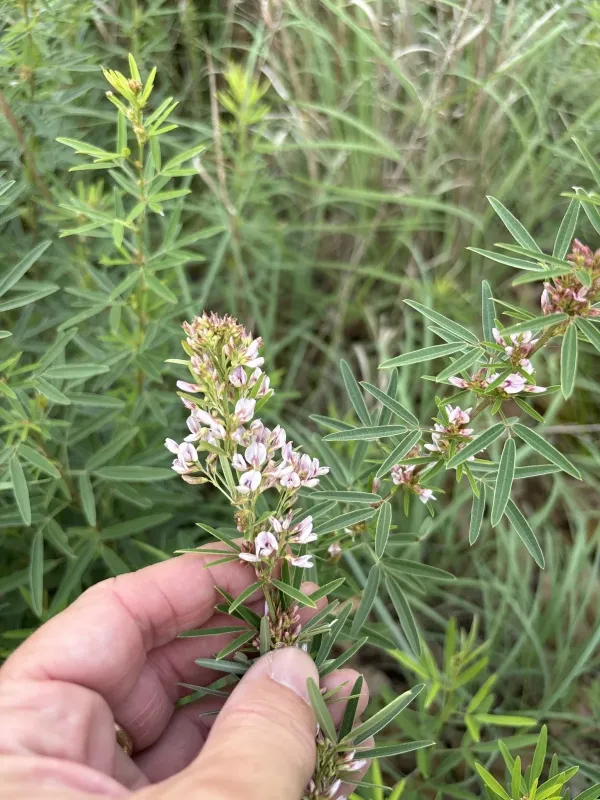
Description
Sowing dates
Lespedeza virginica, commonly known as slender bush clover, is a perennial legume that is typically sown in early spring once soil temperatures reach 8–10°C.
The seeds possess a hard seed coat, making mechanical or chemical scarification an essential prerequisite to ensure rapid and uniform germination in field conditions.
For optimal results, seeds should be sown at a depth of 1–2 centimeters, ensuring sufficient moisture contact while preventing burial too deep for the emerging seedlings.
Seeding rates should be calibrated to avoid over-crowding, as mature plants tend to have a robust branching habit that requires adequate space to thrive.
During the first year, establishment is relatively slow as the plant invests significant energy into developing its extensive root system rather than top growth.
Growing requirements
This species thrives in well-drained sandy or loamy soils and is particularly valued for its ability to stabilize thin or eroded soils due to its deep taproot.
While Lespedeza virginica is highly drought-tolerant once established, it requires consistent moisture during its initial growth phase to maximize biomass production.
Full sun is necessary for vigorous growth; therefore, sites with significant shading should be avoided to prevent leggy, low-productivity stems.
It adapts well to a variety of soil pH levels, but periodic soil testing and potential liming are recommended to maintain an environment conducive to nitrogen fixation.
The plant is hardy across various climatic zones, showing resilience to temperature fluctuations and moderate winter conditions in temperate environments.
Yield
Primarily cultivated as a high-protein forage crop, it provides a valuable source of nutrition for livestock when harvested at the peak of its vegetative stage.
Beyond forage, the plant is an excellent choice for erosion control and soil improvement projects, as it naturally adds nitrogen back into the soil through symbiosis.
It serves as a critical late-season nectar source for pollinators, supporting bee populations at a time when most other floral resources have declined.
Under managed conditions with proper fertilization and irrigation, it is possible to harvest two cuts per season, significantly increasing land utility.
Its deep root architecture improves soil structure over time, enhancing water infiltration and carbon sequestration in the managed agricultural ecosystem.
Main diseases and pests
The crop is occasionally susceptible to fungal pathogens like leaf spot and powdery mildew, especially during seasons characterized by prolonged humidity.
Insect pests, including various weevils and aphids, may damage stems or reproductive structures, necessitating proactive monitoring during the growth season.
Good agricultural practices, such as maintaining proper spacing and ensuring adequate soil drainage, serve as the primary defense against disease outbreaks.
Chemical intervention should be reserved as a last resort, strictly adhering to integrated pest management principles to protect beneficial insect populations.
Regular field scouting is highly recommended, particularly as the plants approach the flowering stage when they become most attractive to herbivorous insects.
Harvesting
For the highest nutritional quality, harvesting should occur at the onset of flowering, which balances biomass volume with protein content for livestock feed.
Care must be taken to leave enough stubble height to protect the plant's crown, which is vital for the plant's long-term survival and regrowth capacity.
Seed harvest requires careful timing; producers should aim to collect seeds when the majority of pods have turned brown but before they shatter and disperse.
Once harvested, the material must be dried efficiently to prevent mold development, which can rapidly diminish the quality and safety of the final forage product.
Storage should prioritize ventilation and moisture control to ensure that the nutritional integrity of the harvested forage is maintained throughout the winter months.