
Leucaena lanceolata
Leucaena lanceolata
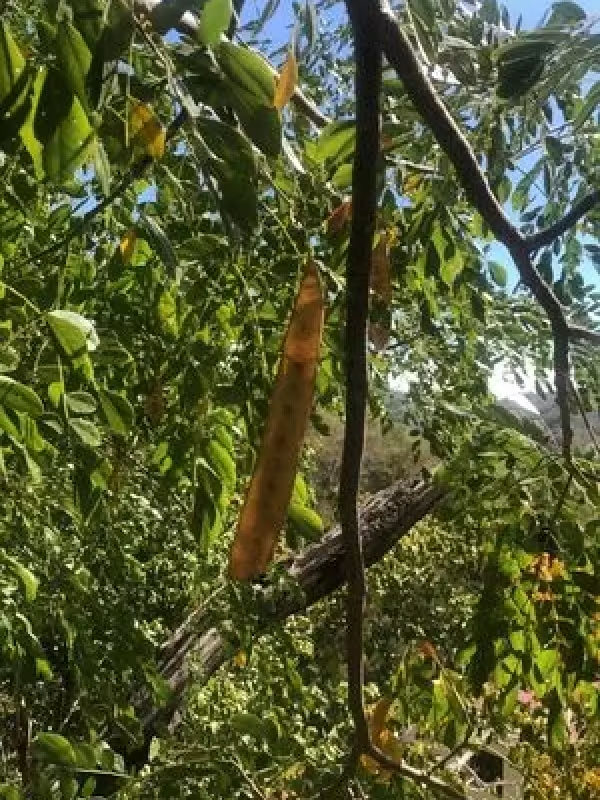
Description
Sowing dates
Leucaena lanceolata is a perennial leguminous tree belonging to the Fabaceae family. It is recognized for its adaptability to dry tropical environments, making it a valuable resource for land management and sustainable agricultural development in arid regions.
Propagation is primarily achieved through seeds. Due to their hard seed coat, pre-sowing treatment is essential. Scarification methods, such as mechanical abrasion or immersion in hot water, are necessary to facilitate water uptake and ensure uniform germination.
The optimal time for sowing is at the beginning of the rainy season. This ensures that the seeds receive sufficient moisture during the initial germination phase and allows the root system to develop adequately before the onset of extreme dry conditions.
Sowing should be performed in well-prepared rows, with seeds placed at a depth of 2 to 3 centimeters. The spacing between rows depends on the specific end-use; closer spacing is preferred for maximum biomass production, while wider spacing is utilized for timber growth.
During the establishment phase, consistent weed control is crucial. Since young seedlings grow slowly, they are susceptible to competition from fast-growing weeds, which must be cleared to ensure proper canopy and root development.
Growing requirements
Leucaena lanceolata thrives in well-drained soils, including limestone, sandy, and alluvial types. It is particularly valued for its tolerance to alkaline soil conditions, which are often found in areas unsuitable for many traditional food crops.
As a sun-loving species, it requires full exposure to solar radiation. Excessive shade will lead to stunted growth and reduced leaf development. Therefore, selecting open, non-shaded sites is critical for achieving maximum yield and vitality.
The species prefers temperatures ranging from +22 to +30 degrees Celsius. It exhibits significant drought tolerance once established, thanks to its extensive taproot system that can access deep soil moisture during dry periods of the year.
It is sensitive to waterlogged conditions, which can lead to root suffocation and increased risk of fungal pathogens. Avoiding areas with poor drainage or high water tables is vital for preventing systemic damage to the root network.
Leucaena lanceolata is susceptible to frost and low temperatures. Frost events can cause dieback of the branches, significantly reducing biomass output. Consequently, its cultivation should be limited to regions with warm climates to ensure consistent production.
Yield
The primary yield from Leucaena lanceolata is highly nutritious, protein-rich forage for ruminant livestock. Regular pruning, known as coppicing, stimulates active branching and ensures a continuous supply of fresh, palatable leaves and shoots.
The biomass serves as a dual-purpose resource: it is used for high-quality livestock feed and as a source of wood for fuel, poles, and tools. When managed correctly, it provides a stable income stream and resource availability for small-scale farmers.
Beyond direct yield, the species acts as a soil improver. Through its symbiotic relationship with nitrogen-fixing bacteria in the root nodules, it replenishes soil fertility, making it an excellent candidate for intercropping with other agricultural staples.
To maximize yields, producers should implement a rhythmic harvesting schedule. Removing terminal buds encourages lateral growth, which improves the overall structure of the plant and increases the density of the foliage available for harvesting.
In mature stands, the production of pods can be significant. However, for forage-focused systems, it is recommended to manage the plants before heavy seed set, as this redirects energy towards vegetative growth rather than reproductive development.
Main diseases and pests
The most serious threat to this species is the Leucaena psyllid (Heteropsylla cubana). This sap-sucking insect can cause severe defoliation, stunted shoot growth, and even tree mortality if not managed through integrated pest control strategies.
Fungal diseases, such as root rot, often occur in soils with poor aeration or excessive moisture. Symptoms include yellowing of leaves, premature leaf drop, and root decay, requiring the prompt removal and destruction of infected plants.
Seed-boring beetles are significant pests during storage and early stages of germination. Treating seeds with appropriate storage agents and maintaining dry conditions are necessary steps to preserve seed viability and prevent infestations.
Neglecting weed competition in the first two years of establishment allows for the buildup of pathogens and pests in the rhizosphere. Maintaining a clean cultivation area is a primary defense against various environmental stresses.
Management should include periodic monitoring for pest outbreaks, sanitary pruning to remove damaged wood, and ensuring proper site selection based on drainage requirements. Biological control methods are encouraged to preserve the farm's ecological balance.