
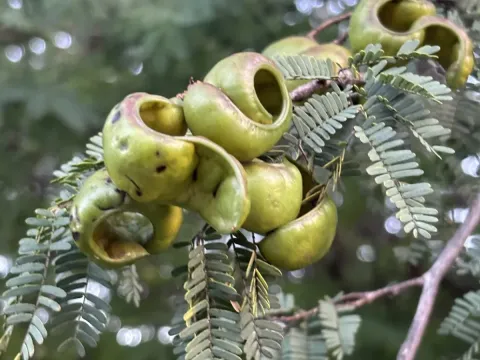
Libidibia
Libidibia
Libidibia seeds are typically sown in greenhouse conditions or nurseries once temperatures consistently remain above 20°C. Pre-sowing scarification of the seed coat is highly recommended to improve germination rates, as the pods have a naturally tough structure.
What the section contains


Libidibia
The germination process requires a humid substrate and excellent drainage to prevent seedling rot. Once seedlings reach a height of 30–50 cm, they should be transplanted into larger containers to facilitate healthy root system development.
Transplanting into open ground should only occur after the risk of night frosts has passed, as young shoots are extremely sensitive to cold temperatures. The ideal spacing between individual trees is at least 4–6 meters to ensure proper airflow.
To accelerate growth during the first years, balanced nitrogen fertilizers in low concentrations are applied. Regular irrigation during the first two seasons is essential for ensuring the plant establishes itself successfully in its new location.
Site selection is crucial; Libidibia thrives in areas with intense sunlight, as it is a sun-loving species that will slow down its vegetative growth if shaded by larger vegetation or structures.
Libidibia belongs to the Fabaceae family and consists of woody plants native to the tropical and subtropical regions of the Americas. Its natural range covers arid and semi-arid zones, where the plant has evolved high tolerance to drought stress.
The crop does not have stringent soil requirements, though it prefers well-drained loamy or sandy soils with a neutral to slightly alkaline pH. The plant is capable of surviving in poor soils due to its ability to fix nitrogen through symbiotic bacteria.
Temperature is a limiting factor for the plant's health; most species cannot tolerate sub-zero temperatures. Ideal growth conditions require mean annual temperatures between 22 and 30°C to sustain vigorous development.
Water requirements should be managed with care, as waterlogging in the root zone can trigger fungal pathogen proliferation. During prolonged dry spells, mature specimens may enter a state of dormancy, shedding leaves to conserve energy.
Agronomic management includes mandatory pruning to shape the canopy, especially when grown for ornamental purposes. This practice helps improve internal aeration of the canopy and reduces the risk of disease spread.
The economic utility of Libidibia is diverse and varies by species. Perhaps the most notable is Libidibia coriaria, whose pods are rich in tannins and are widely used in the leather industry to produce high-quality leathers.
The biological productivity of its timber makes it a valuable resource for carpentry and furniture manufacturing. The wood is prized for its high density, hardness, and natural resistance to decay and termite damage.
In landscaping and urban development, the culture is valued for its aesthetic appeal during the flowering season. The clusters of blooms are attractive to pollinators, thereby supporting local biodiversity within the cultivated area.
Seeds of specific species contain unique oils and extracts that are under investigation for potential applications in pharmaceuticals and traditional medicine. New findings continue to highlight their potential in the cosmetic industry as well.
Productivity fluctuates based on tree age and local climatic conditions. In commercial plantations, yield stabilizes significantly from the 5th to 7th year following establishment on a permanent site.
The primary threats to young trees include sucking pests like aphids and scale insects, which can stunt shoot development. Regular canopy inspections allow for early detection and targeted intervention to neutralize these populations.
Root rot represents a serious threat during periods of improper irrigation or inadequate soil drainage. Such infections spread rapidly when high humidity coincides with cooler ambient temperatures.
Fungal leaf spot diseases can emerge during seasons with high rainfall. To manage these, preventative spraying with bio-fungicides is recommended during the peak periods of active vegetative growth.
Stem-boring larvae can cause significant damage to mature trees by disrupting nutrient transport within the vascular system. Sanitary pruning of infected branches is a vital component of integrated pest management for this crop.
Weed competition in the root zone during the first few years of the tree's life can deplete soil nutrients. Mulching the area around the base helps suppress weed growth while simultaneously helping to retain soil moisture.