
Daurian lespedeza
Lespedeza daurica
Description
Sowing dates
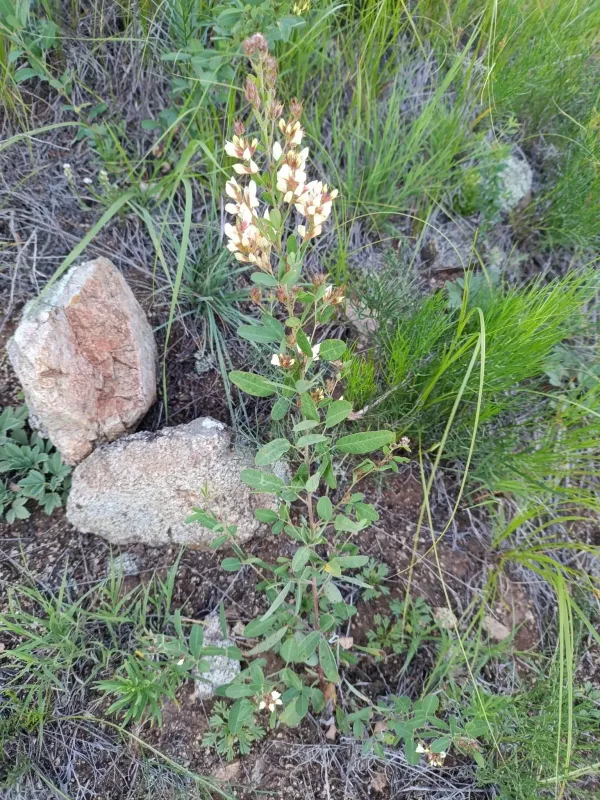
Daurian lespedeza (Lespedeza daurica) is a perennial herbaceous plant belonging to the Fabaceae family. Native to East Asia, it has gained recognition as a robust forage crop and a plant used for stabilizing degraded soils due to its deep root system.
The optimal sowing time is early spring once soil temperatures reach 10–12 degrees Celsius. Uniform seed distribution is critical, and the use of a drill followed by roller compaction ensures the seed-to-soil contact necessary for consistent germination.
During the first year, growth is characterized by significant investment in root development rather than above-ground biomass. Farmers should employ narrow-row planting patterns to ensure the stand is sufficiently dense to shade out competitive weeds early in the season.
Seed scarification is highly recommended prior to planting because Daurian lespedeza seeds possess a hard, impermeable seed coat. This mechanical process significantly improves germination rates, leading to more uniform crop establishment across the field.
The recommended seeding rate varies from 10 to 15 kg per hectare, depending on seed viability and site conditions. Establishing a strong stand early on allows the crop to become self-sustaining in subsequent years, reducing the need for intensive management.
Growing requirements
This species is well-known for its exceptional drought tolerance, originating from areas with arid or semi-arid climates. It thrives in open, sunny locations and remains productive even when moisture availability is low throughout the summer.
Soil requirements are relatively broad; it performs well on poor, stony, or sandy soils where other forage crops struggle. While it prefers neutral to slightly alkaline soils, its primary necessity is good drainage, as it is highly sensitive to waterlogging.
Daurian lespedeza is cold-hardy, capable of surviving harsh winters typical of continental climates. Its biological resilience allows it to enter dormancy during winter and initiate rapid growth as soon as the ground thaws in the spring.
The agronomic needs are minimal, focusing on occasional harrowing in early spring to aerate the soil and encourage new growth. Phosphorus and potassium applications can be beneficial if soil fertility testing indicates significant nutrient deficiencies.
Due to its nitrogen-fixing capabilities, it contributes to soil fertility over time. It is an excellent choice for erosion control on slopes and for rehabilitating pastures that have been depleted by monoculture farming or overgrazing.
Main diseases and pests
Daurian lespedeza possesses a strong natural defense system, including the production of tannins, which makes it resistant to many common legume pathogens. It is rarely impacted by fungal diseases provided that the soil is not excessively saturated.
Insect pests such as weevils may occasionally feed on the foliage, but these infestations are generally not severe enough to warrant chemical control. Monitoring the crop during the bud-development stage is the best strategy for integrated pest management.
Weed control is primarily a concern during the establishment phase of the first year. Once the plants reach maturity, the density of the stand and the rapid growth habit are usually sufficient to suppress most encroaching annual weeds.
Root rots are the most common issue if the crop is planted in low-lying areas with poor drainage. Selecting elevated or well-drained sites is the most effective preventative measure against any soil-borne diseases that could jeopardize the stand.
Maintaining a balanced ecosystem around the field encourages beneficial predatory insects, which help keep minor pest populations in check. Overall, it is regarded as a low-maintenance, high-stability crop for forage producers.
Harvesting
Harvesting for hay should occur at the onset of the flowering stage to maximize the protein content of the harvested forage. Cutting at the right time ensures that the leaves, which contain the highest nutrient density, are preserved.
The harvested material dries relatively quickly under favorable weather conditions. Proper hay-making practices, such as windrowing and preventing excessive exposure to direct sun, are crucial for maintaining the quality and digestibility of the final product.
Seed production harvesting is conducted when the majority of pods turn dark brown, indicating maturity. Combines must be carefully adjusted to reduce internal drum speeds, preventing mechanical damage to the relatively small seeds.
Following harvest, seeds should be cleaned, dried, and stored in cool, ventilated areas. Maintaining low moisture content during storage ensures that the seed remains viable and keeps a high germination percentage for future planting seasons.
Depending on local moisture levels, Daurian lespedeza can produce multiple cuts per season, providing a steady supply of fodder. Its longevity makes it a cost-effective choice for long-term pasture management in arid agricultural zones.