
Hairy lespedeza
Lespedeza tomentosa
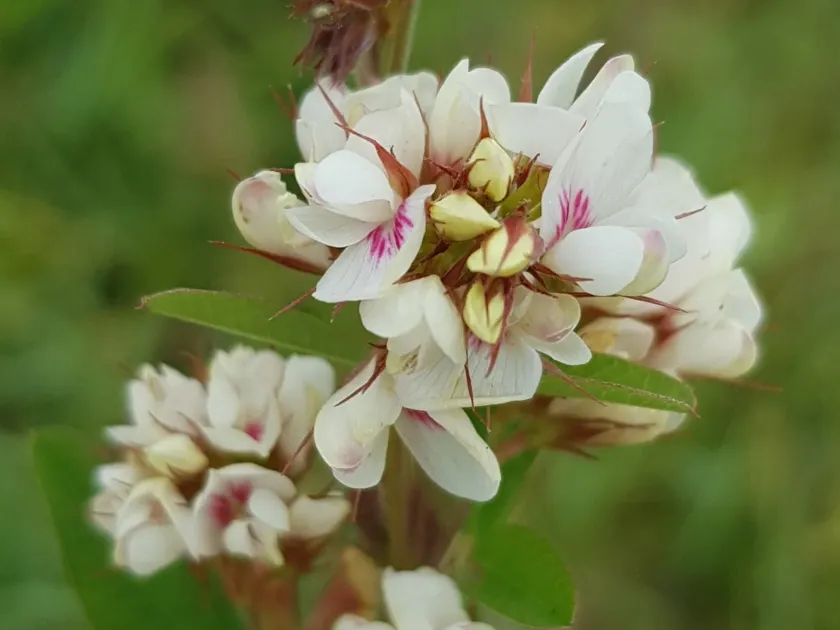
Description
Sowing dates
Hairy lespedeza (Lespedeza tomentosa) is a robust perennial legume recognized for its utility in forage production and soil conservation. The optimal sowing time is early spring, once the soil has warmed sufficiently to ensure rapid germination and initial seedling establishment.
Due to the hard-seeded nature of this species, seeds often require scarification to improve germination rates. Seeds should be planted at a shallow depth of 1.5 to 2 centimeters to ensure they have enough energy to emerge through the soil surface effectively.
The plant develops a deep and extensive taproot system, which helps in stabilizing topsoil and improving soil structure. During the first year, seedlings require consistent monitoring to ensure they are not outcompeted by aggressive weeds, as their early growth is primarily directed underground.
Row spacing depends on the specific agricultural goal: narrow rows are typically used for high-density forage production, while wider spacings of 50–60 centimeters are preferred for seed multiplication plots to facilitate light penetration and harvest efficiency.
Seedbed preparation should involve creating a fine, firm tilth to ensure good soil-to-seed contact. Proper moisture levels during the first weeks after sowing are critical for uniform plant stand establishment across the field.
Growing requirements
Hairy lespedeza thrives in full sun and is notably drought-tolerant once established. It is an ideal candidate for regions where water resources for agriculture might be limited during mid-summer months, provided the plant is deep-rooted enough.
The crop is adaptable to various soil types, including sandy, loamy, and rocky soils, as long as they are well-drained. It does not tolerate waterlogging, which often leads to root rot and poor stand survival in low-lying areas of the field.
The ideal soil pH range for the cultivation of Lespedeza tomentosa is between 6.0 and 7.5. If the soil is excessively acidic, liming is recommended to encourage the activity of symbiotic bacteria that assist in nitrogen fixation.
This species is highly winter-hardy and can withstand significant frost in temperate climate zones. Its resilience allows it to remain productive over several seasons without the need for frequent reseeding, contributing to farm sustainability.
Maintenance involves providing adequate phosphorus and potassium fertilization to support root health and winter survival. Nitrogen fertilization is rarely needed because the plant is a highly efficient nitrogen fixer through its symbiotic relationship with rhizobia.
Main diseases and pests
Major diseases affecting hairy lespedeza include powdery mildew and various leaf spot pathogens, particularly under conditions of high humidity or poor air circulation within the canopy. Managing plant density is a key cultural control method.
Insect pests, such as weevils and certain leaf-feeding larvae, can cause damage to the foliage during the growing season. Integrated pest management (IPM) strategies, favoring biological control agents, are recommended to maintain ecological balance.
Root rot is the most common threat when the crop is planted in poorly drained, compacted soils. Ensuring optimal drainage prior to sowing is the most effective preventative measure against soil-borne pathogens in lespedeza fields.
Hairy lespedeza is highly attractive to pollinators; therefore, caution must be exercised when applying any crop protection chemicals. Whenever possible, treatments should be avoided during the peak flowering period to protect beneficial insects.
Early identification of pest populations through scouting allows for targeted interventions, reducing the need for broad-spectrum chemical sprays. Keeping the field margins clean can also help prevent the influx of opportunistic insect pests.