
Lespedeza buergeri
Lespedeza buergeri
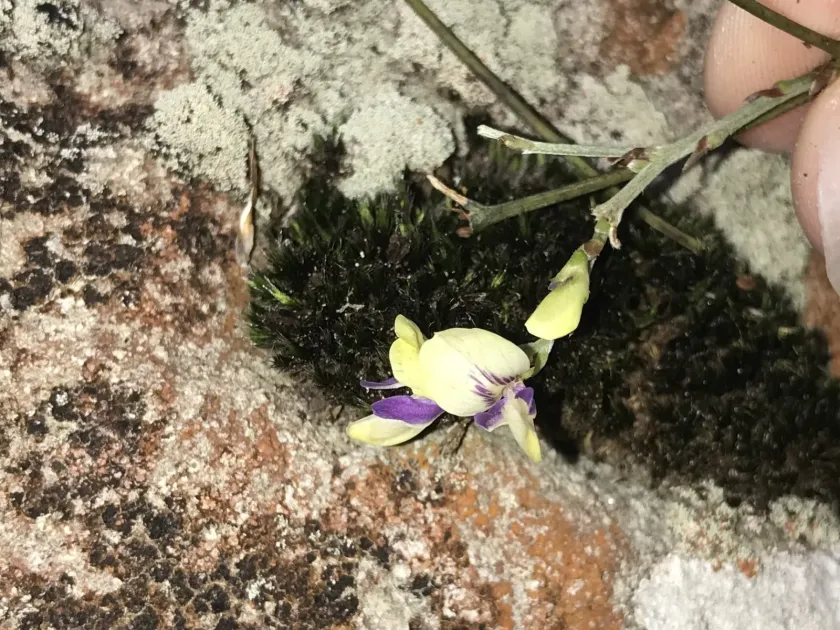
Description
Sowing dates
Lespedeza buergeri is a perennial shrub belonging to the Fabaceae family. It is recognized for its robustness and ability to thrive in degraded environments, making it an excellent candidate for land restoration projects.
Sowing should ideally occur in the spring after the soil has warmed sufficiently. Seed treatment, such as scarification, is highly recommended to break dormancy and ensure uniform germination across the field.
Planting depth should be kept shallow, approximately 1 to 2 centimeters. Because seedlings grow slowly during the first year, it is vital to maintain a weed-free seedbed to prevent competition during the establishment phase.
Row planting is the preferred method for agricultural use to facilitate maintenance activities. Adequate spacing ensures that the plants receive sufficient sunlight, which is critical for their growth and vigor.
In terms of population density, proper seeding rates are essential to create a dense stand that can naturally suppress invading weeds in subsequent years once the shrub establishes a deep root system.
Growing requirements
This species flourishes in well-drained soils with a pH ranging from slightly acidic to neutral. It is highly valued for its drought tolerance, allowing it to remain productive in areas where other forage crops struggle due to water scarcity.
Light exposure is a primary requirement for Lespedeza buergeri. It thrives in open, sunny conditions and tends to show reduced growth rates if subjected to significant shading from trees or dense neighboring vegetation.
Climatic adaptability is one of its core strengths. Native to parts of East Asia, it has evolved to withstand cold winters while maintaining productivity throughout the growing season.
Regarding soil management, occasional cultivation or loosening of the soil between rows in the early years is beneficial. This promotes aeration and supports the symbiotic activity of rhizobia bacteria associated with the roots.
Avoiding waterlogged soil is crucial to prevent root rot. Therefore, selecting sloped or elevated terrain with good drainage is the most effective way to ensure the long-term health and survival of the plants.
Yield
The primary economic use of Lespedeza buergeri is as high-quality forage. The foliage is rich in protein, providing a nutritious feed source for livestock when harvested at the appropriate stage of maturity.
Beyond livestock feed, the crop serves as an important honey plant. Its prolonged flowering period provides essential resources for pollinators, contributing to the overall ecological balance of the agricultural site.
Its role as a green manure or cover crop is significant. By fixing atmospheric nitrogen, it enriches the soil, making it a valuable rotation crop for improving the fertility of nutrient-depleted agricultural land.
The plant is extensively used in environmental engineering for soil stabilization. Its dense root structure makes it highly effective at preventing erosion on steep hillsides and embankment areas.
Consistent biomass production can be achieved over several years by following a scheduled harvesting regime that encourages the plant to regenerate fresh, nutritious stems throughout the season.
Main diseases and pests
Fungal pathogens remain the primary concern for this crop, particularly in conditions of high humidity and poor air circulation. These conditions can trigger outbreaks that affect both yield and plant health.
Various insects, such as weevils, can pose a risk to the development of the plant. Monitoring the foliage and reproductive parts is necessary to manage potential infestations before they cause significant economic damage.
To mitigate the risk of disease, growers should avoid overcrowding the plants. Proper spacing ensures adequate airflow, which is a natural defense against the development of powdery mildew and other common fungal issues.
Integrated pest management strategies should be adopted, prioritizing biological controls over heavy chemical usage to preserve the health of local ecosystems and beneficial insects.
Crop rotation remains the gold standard for disease prevention. By not planting Lespedeza buergeri in the same location for too many consecutive years, the buildup of soil-borne pathogens can be significantly minimized.