
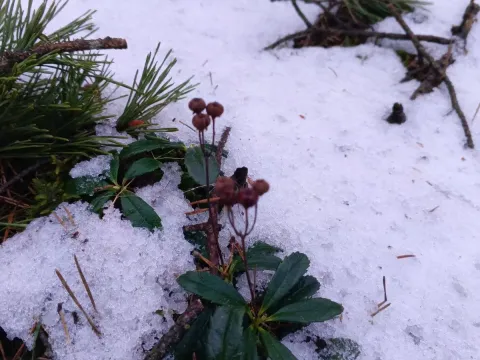
Chimaphila
Chimaphila
Chimaphila is a genus of perennial evergreen subshrubs belonging to the Heath family (Ericaceae). In the wild, species such as Chimaphila umbellata thrive in coniferous forests across the Northern Hemisphere, where they prefer moist, shaded environments rich in organic forest floor matter.
What the section contains


Chimaphila
The botanical nature of this plant is defined by its slow growth rate, which is directly linked to its reliance on mycorrhizal fungi in the soil. The plant possesses a creeping, branching root system that enables it to colonize shaded forest patches over time.
To cultivate Chimaphila successfully, one must replicate its natural woodland environment: slightly acidic, porous, and humus-rich soil is essential. The plant is extremely intolerant of direct sunlight and requires artificial shading when managed in a nursery or field setting.
Moderate temperatures and consistent moisture levels are critical for plant development. However, the soil must be well-drained, as waterlogging is lethal to the root system and promotes the decay of the sensitive rhizomes.
Economically, Chimaphila is valued in the pharmaceutical and herbal medicine sectors. Its tissues contain compounds like arbutin and chimaphilin, which are known for their therapeutic properties, including diuretic and anti-inflammatory benefits.
The primary threats to this crop are fungal pathogens that attack the root system, typically triggered by poor drainage or stagnant water conditions within the growing medium.
The absence of the specific mycorrhizal fungi found in natural forests can lead to weak plant health, making the crop susceptible to opportunistic pathogens when cultivated in sterilized soil.
Pests such as slugs and snails represent a significant danger, as they frequently feed on the succulent leaves and stems, leading to severe defoliation if left unchecked.
Maintaining high hygiene standards in the cultivation area is crucial to prevent the introduction of pathogens, as the plant is slow to recover from any physiological or structural damage.
Crop monitoring should focus on leaf health during humid seasons, as excessive moisture can quickly lead to the development of mold and foliage blight in dense patches.