
Cladothamnus
Cladothamnus
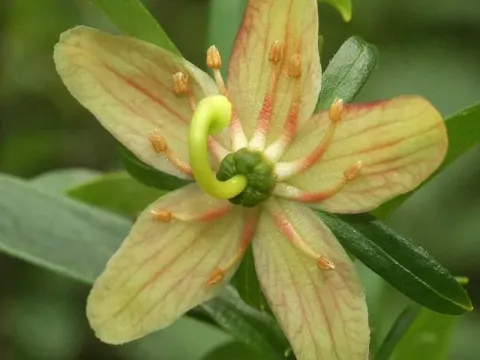
Cladothamnus (Cladothamnus pyroliflorus) is a rare deciduous shrub belonging to the Ericaceae family. In its natural habitat, it grows as an upright plant reaching up to two meters in height, featuring narrow leaves and distinctive flowers that resemble the blossoms of wintergreen.
What the section contains

Cladothamnus
The native range of the plant includes the coastal regions of the North American Pacific, spanning from Alaska to British Columbia. In the wild, it thrives in moist coniferous forests, mountain slopes, and areas with high humidity, growing in soils rich in organic matter.
This culture has specific requirements for its growing medium: for successful development, it needs acidic, well-drained, and loose soil. Water stagnation near the root system is fatal to the plant, making it essential to provide a reliable drainage layer at the time of planting.
The plant shows high adaptability to cool climates, yet it is extremely sensitive to rapid summer temperature fluctuations and drought periods. The ideal placement for Cladothamnus in a landscape setting is partial shade, protected from direct midday sun and strong winds.
In horticultural practice, Cladothamnus is considered exclusively a collector’s decorative plant suitable for woodland gardens or heathland themes. Due to its challenging propagation and strict agro-technical requirements, it remains a rarity in commercial nurseries.
Cladothamnus is susceptible to common diseases of the Ericaceae family, most notably root fungal infections such as Phytophthora, which develops under conditions of excessive moisture.
If humidity levels are not managed properly or if air circulation around the shrub is poor, it may suffer from powdery mildew or leaf spots. Regular removal of damaged shoots is recommended as a preventative measure.
Pests that can damage the plant include spider mites, which reproduce rapidly during hot and dry weather, and aphids that tend to feed on young, succulent growth.
Disease and pest management should prioritize integrated plant protection strategies, minimizing the use of harsh chemicals that could negatively impact the mycorrhizal fungi within the root zone.
The key to maintaining the health of Cladothamnus remains strict adherence to agronomic practices: controlling soil pH (ideally 4.5–5.5) and ensuring consistent soil moisture without waterlogging the site.