
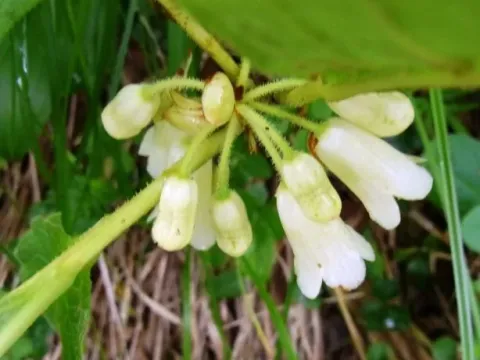
Nippon rhododendron
Rhododendron nipponicum
The Nippon rhododendron (Rhododendron nipponicum) is a deciduous shrub species belonging to the Ericaceae family. It originates from the mountainous regions of Japan, thriving in cool, humid temperate zones with high levels of organic matter in the soil.
What the section contains
Nippon rhododendron
This species is strictly acidophilic, requiring a soil pH between 4.5 and 5.5. The planting site must have excellent drainage, as the species is highly susceptible to root rot caused by waterlogged soil conditions in heavy clays.
Optimal growth is achieved in partial shade. While the plant can tolerate some light, protection from the intense midday sun is essential to prevent leaf scorching and desiccation of the shallow root system.
Agronomic management includes maintaining consistent soil moisture. The use of mulch, particularly pine needles or acidic peat, is highly recommended to suppress weeds and retain soil humidity during the summer months.
Fertilization should be managed carefully, using only fertilizers specifically formulated for acid-loving plants. Avoid high-nitrogen fertilizers late in the season, as they can stimulate growth that will not harden off before the onset of winter.
The most significant pathological threats to this shrub are root-rotting fungi, particularly Phytophthora species. These pathogens thrive in poorly drained environments, leading to rapid decline and plant mortality.
Common insect pests include rhododendron bugs, spider mites, and vine weevils. These pests damage the foliage and roots, weakening the plant's overall vigor and making it more susceptible to opportunistic secondary infections.
Effective management involves a combination of cultural practices and chemical intervention. Ensuring good air circulation around the canopy helps reduce the humidity levels that favor fungal development.
Sanitation is a critical part of the agronomic cycle. Removing fallen leaves and infected twigs helps reduce the inoculum level of pathogens within the growing area each season.
For chemical control, targeted acaricides or insecticides should be applied as soon as the first signs of pest activity are detected. Always follow the manufacturer's guidelines regarding application rates and frequency.