
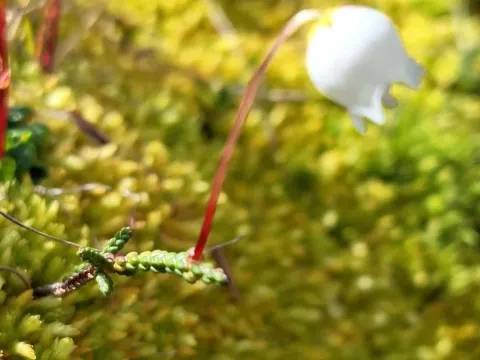
Moss heather
Cassiope lycopodioides
Moss heather Cassiope lycopodioides is a distinctive evergreen shrub belonging to the Ericaceae family, widely recognized for its creeping, moss-like foliage.
What the section contains
Moss heather
Originating from the arctic and subarctic regions of the Northern Hemisphere, this plant is perfectly adapted to cool, harsh environments and rocky habitats.
The culture thrives in cool climates where summers are mild and humidity levels remain relatively high, making it an excellent choice for alpine and rock garden applications.
To succeed, gardeners must provide well-drained, acidic soil rich in organic matter, such as peat or leaf mold, ensuring the root system never sits in stagnant water.
Standard cultivation techniques involve placing the plant in partial shade and applying a layer of gravel mulch around the base to keep the roots cool and prevent moisture loss.
The primary threats to Cassiope lycopodioides include fungal pathogens that thrive in overly wet environments, leading to root rot and crown decline.
Proper airflow is essential for the health of the plant; if the foliage remains wet for too long or if the site is poorly ventilated, fungal blights can spread rapidly.
In terms of pests, spider mites are the most common issue, particularly during hot, dry spells when the plant's natural resistance is lowered due to heat stress.
Effective management strategies focus on preventing environmental stress, as the plant is highly sensitive to rapid fluctuations in soil pH and moisture levels.
Routine maintenance should include cleaning away decaying leaf litter around the plant and applying fungicides only when disease outbreaks are confirmed by visual inspection.