
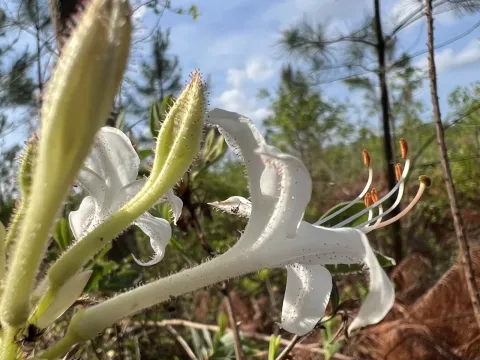
Oblong-leaf azalea
Rhododendron oblongifolium
The oblong-leaf azalea (Rhododendron oblongifolium) is a deciduous shrub belonging to the Ericaceae family. Native to the southeastern United States, this species is well-adapted to moist, acidic forest environments and bogs, which dictates its specific horticultural needs.
What the section contains
Oblong-leaf azalea
The primary soil requirement for this species is a highly acidic medium with a pH between 4.5 and 5.5. Alkaline soils are detrimental to the plant, as they inhibit nutrient uptake, specifically iron, leading to chlorosis and potential plant death if left untreated.
Rhododendron oblongifolium thrives in partial shade. While it can tolerate more light than some other species, it requires protection from intense mid-day sun, which can scorch the delicate foliage and lead to rapid moisture loss from the leaves.
A well-draining, organic-rich soil structure is essential. Gardeners should incorporate materials such as peat moss, pine bark, or leaf mold to provide an airy, moist environment that mimics the plant's native habitat while ensuring oxygen reaches the root zone.
Consistent moisture is critical for the plant's survival. During dry periods, irrigation must be supplemented with a thick layer of organic mulch, such as pine straw, to maintain root coolness, conserve soil humidity, and suppress competitive weed growth.
Fungal pathogens such as Phytophthora are major threats to the root health of this rhododendron. These pathogens proliferate in waterlogged soils with poor drainage, causing rot that can quickly spread to the stems and branches of the shrub.
Lace bugs are common pests that cause significant cosmetic and physiological damage. These insects feed on the underside of leaves, leaving behind stippling patterns and excrement, which reduces the plant's overall vigor and photosynthetic capability.
Spider mites represent another risk, especially in environments where humidity levels are inadequately managed. These minute pests weaken the plant by extracting cell sap, resulting in yellowed, stunted leaves and reduced flower production.
Botrytis blight (gray mold) can affect blooms and young shoots, particularly during seasons characterized by high humidity and poor air circulation. Removing infected plant parts and ensuring adequate spacing are vital management practices.
Effective pest and disease control requires an integrated approach. This includes proper site selection, regular monitoring of foliage, the use of specialized fungicides, and maintaining healthy plant vigor through balanced fertilization and correct watering techniques.