
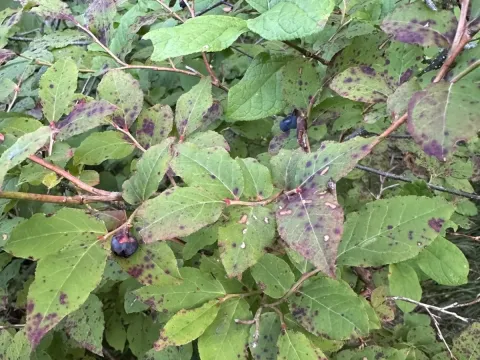
Oldham's blueberry
Vaccinium oldhamii
Vaccinium oldhamii, commonly known as Oldham's blueberry, is a deciduous shrub belonging to the Ericaceae family. It is recognized for its ornamental value and its edible, dark-colored berries that ripen in late summer.
What the section contains
Oldham's blueberry
The species is native to East Asia, specifically regions within Japan, Korea, and China. In its natural habitat, the plant thrives in mountain forests and well-drained slopes, demonstrating a preference for temperate climates with distinct seasons.
Cultivation of this plant requires acidic soil conditions with a pH level between 4.5 and 5.5. It is essential to ensure that the planting site has excellent drainage, as the roots are sensitive to waterlogging and thrive in aerated, organic-rich substrates.
Oldham's blueberry requires consistent soil moisture and benefits greatly from organic mulching, such as pine needles or peat, which helps maintain soil acidity and moderates root temperature during hotter periods of the year.
The plant is highly valued both for its fruit and its aesthetic appeal in autumn. During this season, the foliage transforms into vibrant shades of red and orange, making it a popular choice for woodland gardens and landscape design projects.
The yield of Vaccinium oldhamii depends on the maturity of the shrub and the quality of maintenance. When provided with adequate sunlight and nutrient support specific to acid-loving plants, the shrub can produce a reliable harvest of berries annually.
Fungal diseases, including anthracnose and powdery mildew, represent the primary threats to the crop. These pathogens are most prevalent in humid conditions with poor air circulation, emphasizing the need for regular pruning of dense branches.
Pests such as spider mites and leaf rollers can negatively impact the plant's health and reduce overall vigor. Integrated pest management, including regular inspection and the use of targeted treatments, is advised to protect the plant during the growing season.