
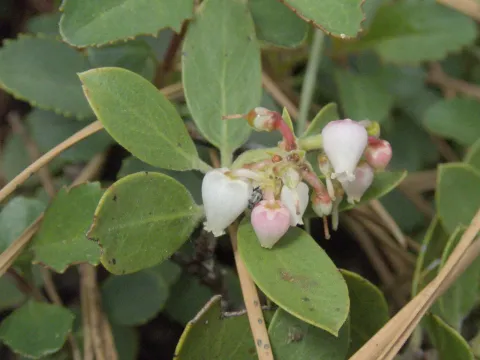
Nevada manzanita
Arctostaphylos nevadensis
Nevada manzanita (Arctostaphylos nevadensis) is a prostrate, evergreen shrub belonging to the Ericaceae family. Native to the mountainous regions of the western United States, particularly California and Nevada, this plant is well-known for its ability to thrive in harsh, high-elevation conditions.
What the section contains
Nevada manzanita
Botanically, the plant features dark green, leathery leaves and small, urn-shaped flowers that appear in late spring. Its growth habit is typically spreading, making it an excellent candidate for covering rocky terrain where other plants struggle to establish themselves.
Successful cultivation requires soil that provides excellent drainage, as the roots are highly susceptible to rot when kept in wet, heavy clay conditions. A slightly acidic to neutral pH level is ideal for simulating its natural habitat on mountain slopes.
When planting, it is essential to select a site that receives full sun to partial shade. Once established, Nevada manzanita is quite drought-tolerant, requiring minimal supplemental irrigation unless the region experiences extreme and prolonged summer heat.
The cultural use of this plant is primarily focused on landscape design, specifically for slope stabilization and rock gardens. Its year-round evergreen foliage and ability to adapt to lean soils make it a valuable asset for low-maintenance garden projects.
The most significant threat to Nevada manzanita is fungal infection, particularly Phytophthora root rot, which is almost always the result of excessive soil moisture. Proper drainage is the primary defense against these devastating pathogens.
Insect pests, including aphids and mealybugs, may occasionally attack the tender new growth during the spring season. While usually not fatal in healthy plants, high infestations can weaken the shrub and make it more susceptible to environmental stress.
Leaf spot diseases can occur if the foliage remains wet for extended periods in climates with high humidity or poor air circulation. It is advisable to prune back surrounding vegetation to ensure adequate airflow around the plant canopy.
Damage caused by improper cultivation practices, such as excessive mechanical weeding near the root zone, can introduce opportunistic diseases. Applying organic mulch is a better alternative to maintain soil moisture and prevent weed competition.
Integrated pest management, emphasizing cultural controls such as spacing and proper watering techniques, is the most effective way to keep Nevada manzanita healthy. Chemical interventions should be reserved for severe outbreaks and applied with caution.