
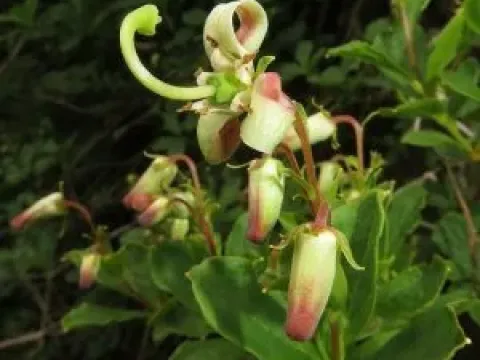
Botryostege
Botryostege
Botryostege is a genus of plants belonging to the Ericaceae family. In an agricultural context, these crops are known for their specific environmental requirements, particularly their need for acidic soil conditions to thrive and develop properly.
What the section contains
Botryostege
These plants typically originate from temperate regions characterized by high humidity and moderate temperatures. Successful cultivation relies on replicating these conditions by providing partial shade and protection from extreme solar radiation during the heat of the day.
Botanically, Botryostege features a delicate, shallow root system that is highly sensitive to soil compaction and waterlogging. Providing a well-aerated, organic-rich substrate is crucial for the health of the plant and its nutrient uptake efficiency.
The climate requirements include consistent moisture levels and protection from freezing winds. Maintaining an optimal soil pH of 4.5 to 5.5 is essential, as higher levels can cause nutrient deficiencies, specifically iron chlorosis, which stunts plant growth.
Agrotechnical management involves regular mulching with pine bark or pine needles. This practice helps maintain soil acidity, retains moisture, and protects the sensitive root zone from temperature fluctuations during seasonal changes.
The primary threats to Botryostege include various fungal pathogens that flourish in damp or waterlogged environments. Root rot and leaf spot diseases are the most common issues that growers must manage through strict irrigation control.
Pest pressures often involve spider mites and scale insects, especially during periods of low humidity. These pests feed on plant sap, leading to foliage discoloration and a general decline in the overall vigor of the crop.
Proactive management includes the application of specialized fungicides and insecticides when monitoring indicates a potential outbreak. Choosing systemic treatments is often more effective given the dense foliage structure of the plants.
Sanitation is a vital aspect of pest and disease control. Removing fallen leaves and pruning dead or infected branches prevent the accumulation of inoculum in the growing area, thereby reducing the risk of recurring infections.
Balanced nutrition plays a significant role in plant resilience. Ensuring that the plants receive adequate micronutrients helps strengthen their natural defense mechanisms against common environmental stressors and opportunistic pathogens.