
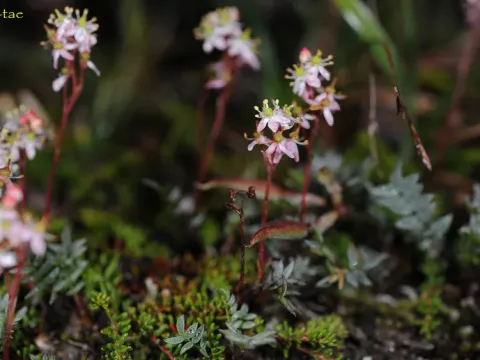
Bryanthus
Bryanthus
Bryanthus is a genus of low-growing, evergreen shrubs belonging to the Ericaceae family, typically found in high-altitude habitats across parts of the Northern Hemisphere.
What the section contains

Bryanthus
Successful cultivation requires a specialized acidic substrate, usually composed of peat, coarse sand, and organic matter to simulate the natural mountain soil conditions.
These plants thrive in cool, temperate climates and require high levels of ambient humidity, making them excellent candidates for shaded or semi-shaded rock gardens.
Proper drainage is paramount; the root system is extremely sensitive to waterlogging, which often leads to rapid decline in both containerized and garden-grown specimens.
Mulching the root zone with pine needles or bark chips is highly recommended to maintain soil moisture consistency and protect roots from extreme temperature fluctuations.
Fungal pathogens remain the most significant threat to Bryanthus, especially when the soil remains too wet or ventilation around the plant is insufficient.
Root rot caused by Phytophthora species is a common issue that can result in sudden wilting and death of the plant if the drainage is inadequate.
Pests are generally less of a problem, but spider mites can colonize the foliage during prolonged dry spells, leading to yellowing or stunted growth patterns.
Cultural control, such as avoiding overhead watering in the evening and maintaining proper plant spacing, is the most effective strategy for preventing disease outbreaks.
Chemical intervention should be reserved for severe cases, utilizing fungicides specifically formulated for Ericaceous plants to avoid damaging the sensitive root systems.