
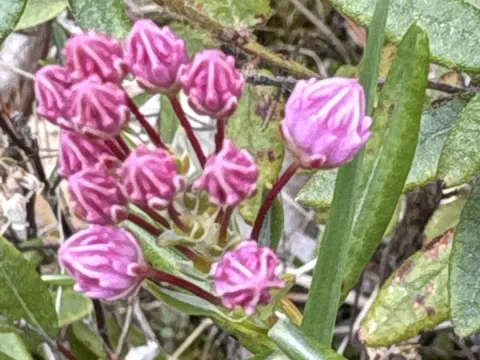
Bog laurel
Kalmia polifolia
Kalmia polifolia, commonly known as Bog laurel, is an evergreen shrub belonging to the Ericaceae family, widely recognized for its unique, cup-shaped flowers.
What the section contains
Bog laurel
The species originates from the northern parts of North America, where it thrives in cool, acidic, and consistently moist environments like bogs and marshes.
Success in cultivation requires acidic soil with a pH level between 4.5 and 5.5, which is essential for the plant to absorb nutrients efficiently from the growing medium.
Ideal soil structure for this plant includes high-quality peat moss, shredded pine bark, or needles, which promote moisture retention while providing adequate drainage to prevent root rot.
Regarding placement, the culture prefers partial shade, particularly protection from intense afternoon sun, and benefits significantly from a layer of organic mulch to keep the roots cool.
The primary threats to Kalmia polifolia are fungal diseases such as leaf spots and various forms of root decay caused by poor drainage or overly stagnant water conditions.
Environmental stress often weakens the plant, making it more susceptible to pathogens, so maintaining correct acidity levels is the best defense against systemic illness.
Spider mites are the most common pests, particularly in dryer summers when humidity levels around the foliage drop below the preferred threshold.
Scale insects and mealybugs may also infest the stems, requiring prompt intervention with horticultural oils or specific insecticides to prevent further damage.
Proper hygiene, such as removing fallen leaves and ensuring adequate airflow between specimens, is essential to minimize the spread of diseases within the planting area.