
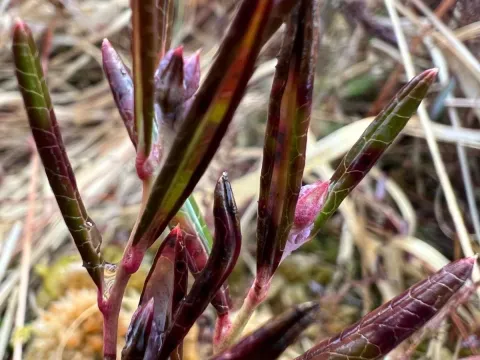
Bog-rosemary
Andromeda L.
Bog-rosemary (Andromeda L.) is a genus of low-growing evergreen shrubs belonging to the Ericaceae family. Native to the Northern Hemisphere, these plants are well-adapted to cool, acidic, and moist environments such as peat bogs and mountain heaths.
What the section contains


Bog-rosemary
The primary horticultural requirement for this species is a highly acidic growing medium. The pH levels should ideally range between 3.5 and 5.0. Gardeners typically achieve this by creating beds consisting of peat moss, pine bark, and coarse sand to ensure proper drainage and acidity.
Environmental conditions should mimic the plant's natural habitat, favoring dappled shade rather than intense sunlight. While Andromeda requires consistent soil moisture, it is imperative to prevent waterlogging, which can rapidly lead to root decay and the death of the specimen.
Regarding climate, Bog-rosemary is exceptionally hardy and can withstand freezing temperatures without specialized protection. However, in regions with little winter precipitation, a layer of organic mulch is recommended to regulate soil temperature and prevent frost heave, which can damage shallow root systems.
Maintenance involves frequent but gentle watering with non-alkaline water. Rainwater is the best option for these plants, as tap water often contains mineral deposits that can alter soil pH over time, causing nutrient deficiencies that are difficult to correct once established.
The most significant threats to Bog-rosemary are fungal pathogens, specifically those that cause root and crown rot. Phytophthora and other soil-borne fungi thrive in overly wet, stagnant conditions, making drainage a critical component of disease prevention in the landscape.
Fungal infection management includes the application of systemic fungicides and the removal of infected plant material. Ensuring adequate spacing between plants promotes air circulation, which helps keep the foliage dry and discourages the proliferation of mold and mildew spores.
Pest issues are generally minimal but can include infestations by spider mites or aphids if the plant is under stress. Regular inspections during dry spells are advised, as these conditions are more favorable for the migration and reproduction of sucking insects that weaken the plant.
Cultural control, such as avoiding over-fertilization, is essential. Excessive nitrogen application promotes succulent growth that is more susceptible to both pests and fungal attacks. Using fertilizers specifically formulated for acid-loving plants ensures the nutrient profile matches the species' biology.
Monitoring for signs of distress, such as leaf discoloration or premature wilting, allows for timely intervention. By maintaining the correct soil pH and managing moisture levels, most growers find that Bog-rosemary remains a healthy and long-lived addition to their garden throughout the growing season.