
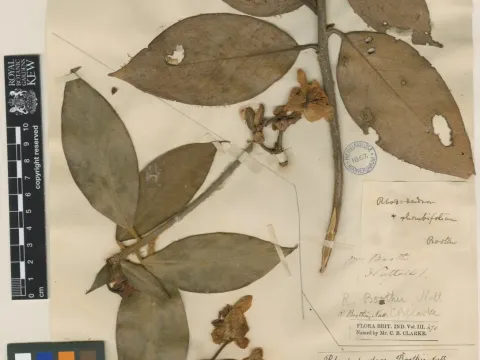
Booth's Rhododendron
Rhododendron boothii
Rhododendron boothii is a distinguished member of the Ericaceae family, native to the mountainous regions of the Himalayas, including Bhutan, Nepal, and India. This evergreen shrub is highly valued for its striking yellow to cream-colored flowers and elegant foliage.
What the section contains
Booth's Rhododendron
The plant thrives in cool, humid environments with partial shade. Direct exposure to intense sunlight can damage the leaves, so positioning the plant in a woodland-style setting with dappled light is essential for its development and overall health.
Cultivation requires highly acidic, well-draining soil rich in organic matter. A mixture of peat moss, pine bark, and perlite or coarse sand is recommended to provide the necessary moisture retention while preventing root rot caused by stagnant water.
Botanically, it features leathery, elliptical leaves and clusters of flowers that typically bloom in late spring. As a slow-growing species, it is often kept as a ornamental feature in specialized botanical collections and rock gardens that simulate high-altitude conditions.
A maintenance program includes consistent irrigation with soft or rainwater, as the plant is sensitive to lime and mineral buildup. Mulching the root zone with organic pine needles helps maintain soil acidity and protects the shallow root system from extreme temperature changes.
Phytophthora root rot is a major threat to this species, usually triggered by waterlogged soil conditions. Ensuring adequate drainage and avoiding overhead irrigation during cooler months can significantly reduce the risk of this devastating soil-borne disease.
Spider mites are common pests that thrive in dry air conditions, often causing stippling on the foliage. Regularly misting the plant and maintaining humidity around the shrub serves as an effective deterrent against these persistent insects during the growing season.
Scale insects can also infest the stems, extracting vital sap and weakening the shrub. If an infestation is detected, physical removal followed by the application of horticultural oil or systemic insecticides is necessary to prevent further damage to the plant.
Nutrient deficiencies, particularly iron chlorosis, occur when the soil pH rises above the optimal range for ericaceous plants. Adding chelated iron and sulfur to the soil helps restore the dark green color of the foliage and supports healthy metabolic functions.
General hygiene, such as removing dead branches and clearing fallen leaves from beneath the shrub, is vital. Proper air circulation within the canopy helps minimize the incidence of fungal spores and keeps the plant vigorous throughout its life cycle.