
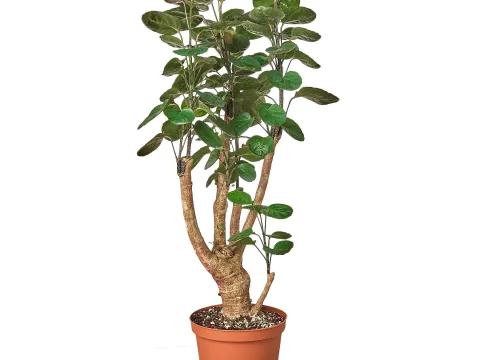
Polyscias
Polyscias
Polyscias is a genus of evergreen trees and shrubs belonging to the Araliaceae family. These plants are native to the tropical regions of the Pacific islands, Southeast Asia, and Madagascar, typically thriving in humid forest environments.
What the section contains
 Polyscias
 hybrids
Polyscias
Polyscias hybrids
 Polyscias Aemili
Polyscias aemiliguineae
Polyscias Aemili
Polyscias aemiliguineae
 Polyscias balfouriana
Polyscias balfouriana
Polyscias balfouriana
 Polyscias bernieri
Polyscias bernieri
Polyscias bernieri
 Polyscias cumingiana
Polyscias cumingiana
Polyscias cumingiana
 Polyscias cutispongia
Polyscias cutispongia
Polyscias cutispongia
 Polyscias diversifolia
Polyscias diversifolia
Polyscias diversifolia
 Polyscias elegans
Polyscias elegans
Polyscias elegans
 Polyscias filicifolia
Polyscias filicifolia
Polyscias filicifolia
 Polyscias gracilis
Polyscias gracilis
Polyscias gracilis
 Polyscias guilfoylei
Polyscias guilfoylei
Polyscias guilfoylei
 Polyscias ornifolia
Polyscias ornifolia
Polyscias ornifolia
 Polyscias repanda
Polyscias repanda
Polyscias repanda
 Polyscias rivalsii
Polyscias rivalsii
Polyscias rivalsii
 Polyscias sambucifolia
Polyscias sambucifolia
Polyscias sambucifolia
Polyscias
The plant requires bright, indirect light to maintain its foliage color and density. Exposure to direct sunlight for extended periods can cause leaf scorching, while extreme shade can inhibit growth and lead to stem elongation.
Optimal growth conditions involve a temperature range between 20°C and 25°C. The species is highly sensitive to cold drafts and rapid temperature fluctuations, which often result in premature leaf drop.
Agricultural practices for Polyscias involve maintaining high humidity levels. Regular misting, the use of pebble trays, or mechanical humidifiers are recommended to prevent the tips of the leaves from drying out.
The soil should be well-draining, nutrient-rich, and kept consistently moist but never waterlogged. Fertilization with a balanced liquid feed during the active growth season is essential for sustaining healthy foliage development.
Common pests affecting Polyscias include spider mites, mealybugs, and scale insects. These pests often flourish in environments with poor air circulation and low humidity.
Fungal infections, primarily root rot, are significant threats caused by excessive irrigation and the accumulation of standing water within the container's substrate.
- Monitor leaf undersides weekly for signs of infestation.
- Ensure adequate drainage holes are present.
- Use appropriate insecticides or neem oil for biological pest management.
Corrective measures for disease management involve repotting the plant into fresh, sterile substrate and pruning back damaged sections of the root system to encourage recovery.
Providing optimal environmental conditions remains the most effective defense strategy against the majority of pests and pathogens, minimizing the need for chemical intervention.