
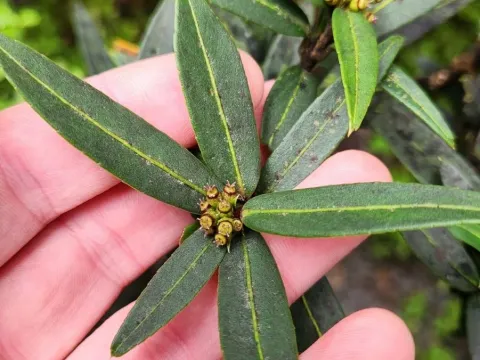
Pseudopanax
Pseudopanax
Pseudopanax is a genus belonging to the Araliaceae family. These are evergreen trees and shrubs that naturally occur primarily in New Zealand and adjacent regions of Oceania, known for their unique foliage patterns.
What the section contains


Pseudopanax
The culture is characterized by high plasticity regarding light conditions, preferring diffused sunlight or light shade. Direct sunlight can cause leaf scorch, especially in young specimens during the active growth season.
The plant is demanding regarding the composition of the substrate, which must have excellent drainage properties. A slightly acidic or neutral soil, enriched with organic matter and featuring good aeration, is optimal for preventing moisture stagnation.
For proper development, Pseudopanax requires a moderately warm climate with high air humidity. The plant does not tolerate sudden temperature changes or cold drafts, which is why it is cultivated as a greenhouse or indoor plant in temperate regions.
The economic value of Pseudopanax lies in its use for landscaping and interior design. The unique morphology of its leaves, which changes as the plant ages, makes it a valuable subject for collections and ornamental horticulture.
The primary threats to this culture are sap-sucking pests, such as scale insects and spider mites, which reproduce rapidly in the dry air conditions of indoor environments.
Water stagnation in the root zone inevitably leads to the development of rot and fungal diseases of the root system. To prevent this, it is necessary to strictly follow an irrigation schedule, focusing on the drying of the topsoil layer.