
Polyscias balfouriana
Polyscias balfouriana
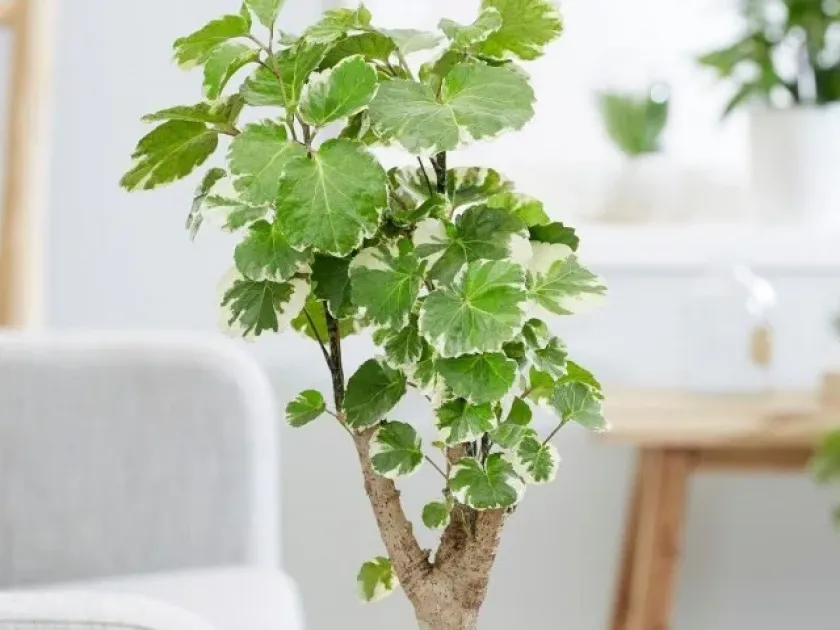
Description
Growing requirements
Polyscias balfouriana, commonly known as Balfour aralia, is a member of the Araliaceae family, native to the tropical regions of the Pacific Islands. This evergreen shrub is highly valued in horticulture for its dense, rounded, and variegated foliage that resembles a miniature tree.
The plant thrives in warm, humid tropical environments. In a controlled cultivation setting, it requires bright, indirect light to maintain its vibrant leaf color; direct sunlight can scorch the leaves, while insufficient light leads to leaf drop and stunted growth.
Temperature requirements are strictly moderate, typically between 18°C and 25°C. Exposure to cold drafts or rapid temperature drops is detrimental, often causing the plant to shed its leaves prematurely as a stress response to environmental instability.
Regarding soil, the plant requires a well-draining, nutrient-rich potting medium. A mix containing peat, perlite, and bark is ideal to ensure proper aeration. It is vital to use a pot with drainage holes to prevent the roots from sitting in stagnant water.
Consistent moisture is key to the health of Polyscias balfouriana. The plant requires regular watering, allowing the top layer of the soil to dry slightly between sessions. Maintaining high atmospheric humidity through misting is essential for preventing leaf-tip necrosis.
Main diseases and pests
The most frequent pests affecting this crop include spider mites, aphids, and scale insects. These pests often proliferate when the ambient humidity is too low, necessitating regular plant inspections and the use of insecticidal soaps if an infestation occurs.
Root rot, induced by overwatering and poor soil drainage, is the primary disease concern. To mitigate this, growers should ensure that the substrate remains airy and never becomes waterlogged, which is a common cause of failure in containerized production.