
Polyscias sambucifolia
Polyscias sambucifolia
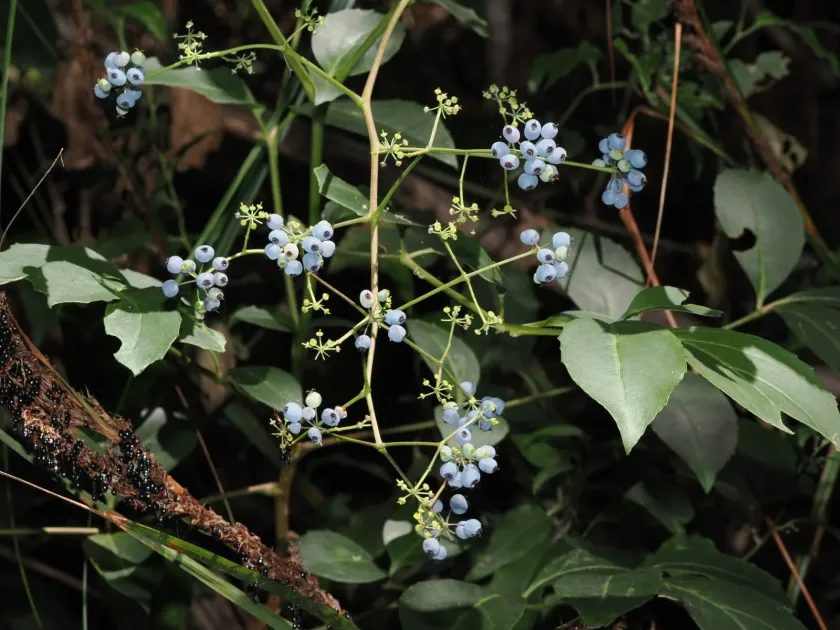
Description
Growing requirements
Polyscias sambucifolia is an evergreen woody shrub belonging to the Araliaceae family. Native to the eastern coastal regions of Australia, this plant has adapted to temperate and subtropical environments, where it grows as an understory species in shaded forest areas.
Botanically, the plant is characterized by its elegant, pinnate foliage which resembles that of the elderberry tree, hence its scientific name. It typically grows as a slow-moving, upright shrub that can reach significant heights under favorable environmental conditions in its natural habitat.
The cultivation of this species requires a well-draining, nutrient-rich soil mix. A mixture of peat, perlite, and organic compost is recommended to ensure that the root system has sufficient aeration while maintaining necessary moisture levels for optimal growth.
Temperature requirements are critical for the health of Polyscias sambucifolia. It thrives best in temperatures between 18°C and 25°C. It is sensitive to cold drafts and rapid temperature fluctuations, which can trigger leaf drop and stunt the overall development of the plant.
Light exposure should be managed carefully. While it appreciates bright, indirect light to maintain its lush foliage density, it must be protected from direct, harsh sunlight, which can quickly dehydrate the leaves and cause structural damage to the plant's vascular tissue.
Main diseases and pests
The most common pests affecting this culture are spider mites and scale insects. These pests often proliferate when the plant is kept in low-humidity environments, where they suck sap from the foliage, leading to yellowing, curling, and premature defoliation of the plant.
Root rot, caused by overwatering, is a major threat to the survival of the plant. When the soil remains waterlogged for extended periods, it inhibits oxygen uptake by the roots, promoting the growth of opportunistic fungi that quickly destroy the root system from within.
To combat pest infestations, it is advised to use horticultural oils or systemic insecticides. Regular inspection of the undersides of the leaves is essential, as this is where pests initially cluster before spreading to the rest of the canopy during the growing season.
Proper sanitation practices are vital for preventing disease spread. This includes removing dead or dying foliage immediately and ensuring that the plant is not overcrowded, which helps maintain good air circulation and reduces the risk of fungal infections such as leaf spot.
Maintaining a stable irrigation schedule is the most effective way to prevent plant stress. By ensuring the top layer of the soil is dry before the next watering, growers can create an environment that is unfavorable for pathogens while remaining ideal for the plant's growth.