
Polyscias ornifolia
Polyscias ornifolia
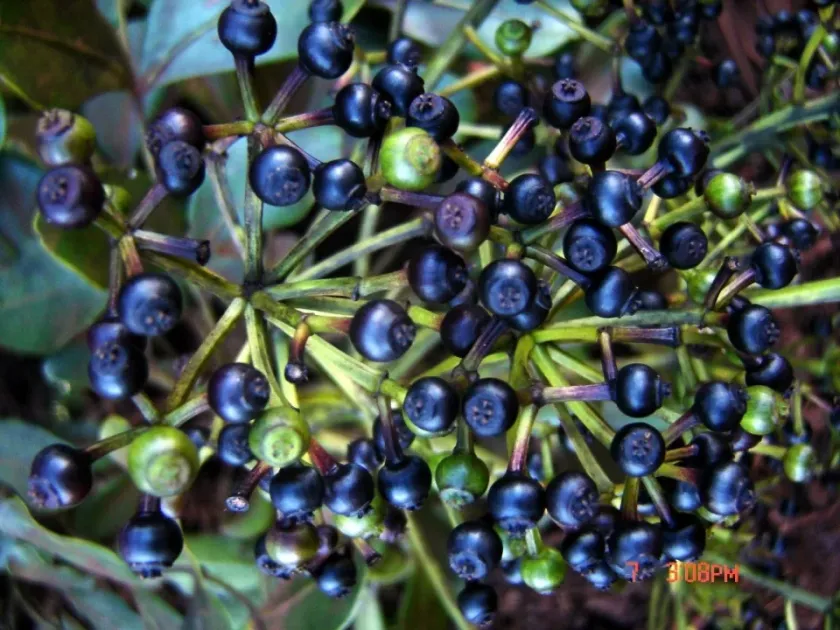
Description
Growing requirements
Polyscias ornifolia is a member of the Araliaceae family, known for its elegant foliage and tropical origin. In professional cultivation, this plant is treated as an ornamental crop that requires high humidity and warmth to maintain its decorative value throughout the year.
The ideal temperature range for this species is between 22 and 26 degrees Celsius. It is highly sensitive to cold drafts and rapid temperature fluctuations, which can trigger physiological stress and lead to significant leaf shedding in a short period.
The substrate must be porous and well-draining, consisting of a mix of peat, organic compost, and perlite. A slightly acidic soil environment is preferred to ensure optimal nutrient uptake and root health during the active growth phases of the crop.
Watering management is critical; the soil should remain consistently moist but never waterlogged. During the peak growing season, the plant requires consistent moisture, while in winter, irrigation should be reduced to prevent root rot in dormant stages.
Lighting requirements involve providing bright, indirect sunlight to ensure the foliage develops its characteristic patterns and dense structure. Excessive exposure to direct sun will cause leaf scorching, while low light leads to leggy growth and thinning of the canopy.
Main diseases and pests
Spider mites are the most common pest challenge for Polyscias ornifolia, especially in environments with dry air. Regular misting and the use of acaricides are effective strategies for keeping pest populations below the economic injury level.
Root rot, caused by various oomycetes, is a significant threat associated with poor drainage and excessive watering. Management involves implementing strict irrigation schedules and ensuring the potting medium is clean and pathogen-free before planting.
Scale insects can infest stems and leaf axils, draining sap and weakening the plant. Mechanical removal combined with systemic insecticides is recommended to control these pests before they spread to neighboring plants in the greenhouse.
Leaf spot diseases caused by fungi often appear during periods of high humidity and poor air circulation. Improving ventilation and maintaining proper spacing between plants are essential cultural practices for preventing these localized infections.
Nutritional deficiencies, specifically nitrogen and magnesium, can manifest as interveinal chlorosis. Maintaining a balanced fertilization program using soluble fertilizers ensures the plant remains vigorous and resistant to minor abiotic stressors.