
Polyscias elegans
Polyscias elegans
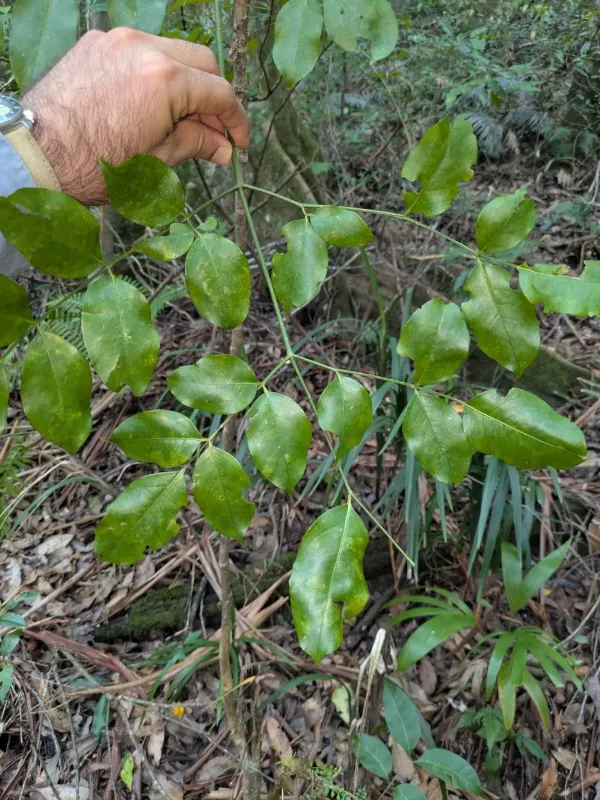
Description
Growing requirements
Polyscias elegans belongs to the Araliaceae family and is highly valued for its elegant, pinnate foliage and tree-like growth habit. It is an ornamental evergreen species often grown for interior landscaping.
The plant originates from the tropical rainforests of Australia, where it thrives in high-humidity environments with dappled sunlight. Its morphology allows it to adapt to sheltered spots under larger forest canopies.
Cultivation requires a stable, warm climate. Temperatures should ideally range between 20°C and 25°C to ensure continuous growth, as the plant is highly susceptible to chilling injury and cold drafts.
The soil must be rich in organic matter, well-draining, and slightly acidic. A porous potting mix allows for adequate aeration of the root system, preventing the accumulation of excess water which causes rot.
High relative humidity is essential for the healthy development of this species. In greenhouse conditions, supplemental misting or automated irrigation systems are recommended to simulate its native habitat.
Main diseases and pests
Mealybugs are among the most common pests that infest Polyscias elegans, often hiding in the leaf axils and stems where they extract plant fluids.
Scale insects present a significant threat by forming hard protective shells on branches, which are difficult to eradicate without systemic chemical treatments.
Spider mites frequently attack the foliage during periods of low humidity, causing visible stippling and eventual chlorosis of the affected leaves.
Root pathogens, particularly Pythium and Phytophthora, occur primarily due to poor soil drainage and waterlogging, leading to rapid decline of the specimen.
Integrated pest management, including regular monitoring and maintaining optimal environmental conditions, remains the most effective strategy for preserving the plant's health.