
Plerandra
Plerandra
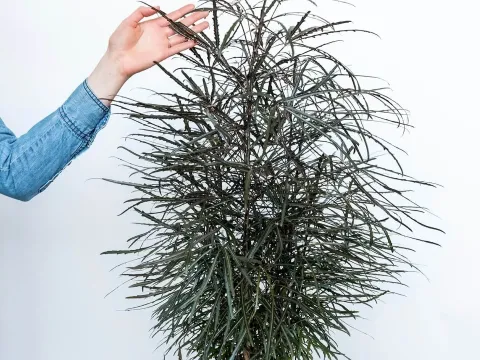
Plerandra is a genus of evergreen trees and shrubs belonging to the Araliaceae family. Native to the islands of the South Pacific, specifically New Caledonia and Fiji, these plants are highly valued in horticulture for their dramatic, palmately compound foliage. They serve as excellent architectural specimens for interior landscaping and specialized tropical gardens.
What the section contains


Plerandra
The cultivation of Plerandra requires conditions that closely mimic their native rainforest habitat. They thrive in bright, filtered light; exposure to harsh, direct sunlight during the middle of the day can lead to leaf scorch and dehydration. Maintaining a stable temperature between 20°C and 25°C is essential for consistent growth throughout the year.
Soil requirements for Plerandra focus on aeration and moisture regulation. A high-quality, well-draining potting medium, such as a mix of peat moss, pine bark, and perlite, is recommended to ensure the roots remain oxygenated. Proper drainage is critical, as root rot is the most common cause of failure when cultivating these exotic specimens.
In terms of practical application, Plerandra is predominantly used as an ornamental plant. Due to its slow-to-moderate growth rate and ability to tolerate pruning, it is an ideal candidate for large indoor containers in botanical gardens, offices, and private homes. It is often integrated into mixed tropical plant displays where its unique leaf structure creates a focal point.
Maintenance involves frequent misting or the use of humidifiers to maintain ambient humidity levels, as the plant suffers in dry indoor environments. Fertilization should be applied during the active growing season, utilizing a balanced liquid fertilizer diluted to half-strength to prevent salt buildup, which can damage sensitive root systems over time.
Plerandra is susceptible to common greenhouse pests, with spider mites being the most problematic, particularly in dry conditions. Scale insects and mealybugs can also infest the foliage, requiring manual removal or systemic insecticidal treatments. Monitoring for fungal pathogens is necessary, especially if the soil is kept excessively moist for prolonged periods.