
Polyscias
Polyscias hybrids
Description
Growing requirements
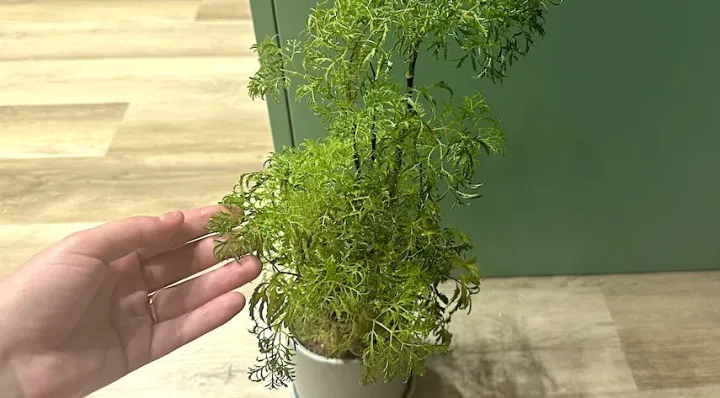
Polyscias is a genus of evergreen shrubs and trees belonging to the Araliaceae family. Native to tropical regions of the Pacific islands and Southeast Asia, these plants are highly prized for their unique foliage structure.
The ideal climate for Polyscias cultivation involves maintaining steady temperatures between 20°C and 25°C. They are highly sensitive to sudden thermal changes and cold drafts, which often lead to premature leaf drop.
Soil requirements dictate the use of a loose, fertile, and well-draining potting mix with a slightly acidic to neutral pH level. Proper drainage is essential to prevent waterlogging, which the root system cannot tolerate.
Cultivation requires bright, indirect light to maintain vigorous growth and vibrant leaf color. Direct sun exposure should be avoided as it can scorch the foliage and cause irreversible aesthetic damage.
In terms of agricultural use, Polyscias is primarily grown as an ornamental plant. It is widely used in indoor landscaping, interior design projects, and as a popular subject for the art of bonsai cultivation.
Main diseases and pests
Common pests affecting Polyscias include spider mites, scale insects, and mealybugs. These organisms thrive in environments with low humidity, making proper environmental management the first line of defense.
Pathological issues often stem from poor irrigation practices, leading to fungal infections like root rot. Symptoms include yellowing leaves, stem softening, and overall wilting despite proper environmental conditions.
Integrated pest management involves regular inspections of the underside of leaves and the stem junctions. When infestations occur, applying horticultural soaps or systemic insecticides is necessary to manage the population.
Preventing fungal diseases requires strict adherence to watering schedules and ensuring that the substrate is well-aerated. Avoiding overhead watering can also significantly reduce the incidence of leaf-spotting fungi.
Maintaining high ambient humidity levels and regular cleaning of the foliage will improve the plant's natural resistance and minimize the risk of recurring pest or disease outbreaks.