
Polyscias Aemili
Polyscias aemiliguineae
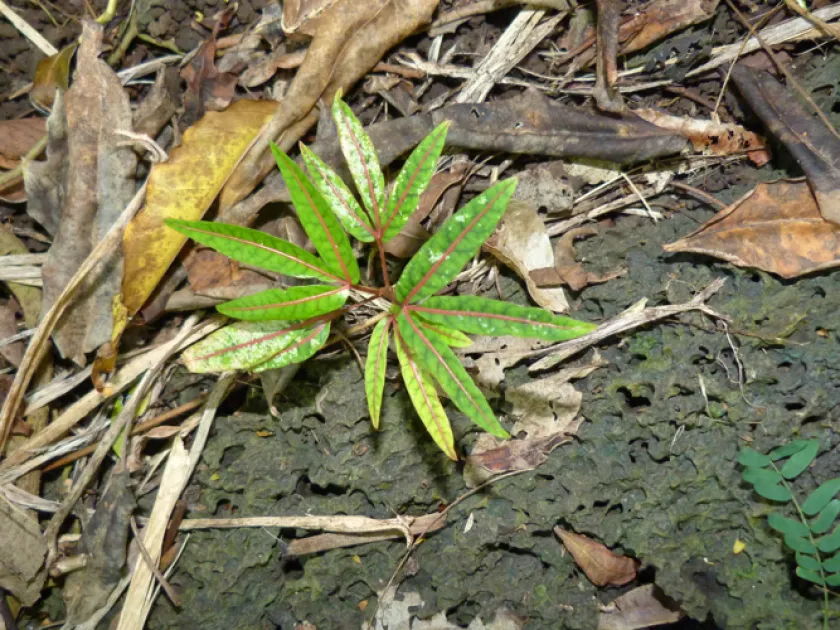
Description
Growing requirements
Polyscias aemiliguineae is a decorative woody shrub belonging to the Araliaceae family. Native to the tropical regions of Southeast Asia and the Pacific, it is highly valued for its dense and complex foliage.
The crop requires a warm and stable environment with temperatures between +20°C and +26°C. It is sensitive to cold drafts and sudden temperature fluctuations, which can trigger leaf drop.
Regarding light, this plant prefers bright, indirect sunlight. Intense, direct sun exposure should be avoided to prevent scorched leaves, while low-light conditions may lead to stunted growth and loss of variegation.
Soil requirements involve a well-draining, nutrient-rich potting mix with a slightly acidic to neutral pH. Aeration of the soil is crucial to ensure that roots receive adequate oxygen while remaining moist.
Consistent humidity is essential for the health of this species. Regular misting, the use of pebble trays, or mechanical humidifiers are recommended to recreate the humid atmosphere of its native habitat.
Main diseases and pests
Common pests that frequently infest this plant include spider mites, which thrive in dry indoor air. Their presence is indicated by fine webbing and a stippled appearance on the leaves.
Mealybugs are another significant threat, often hiding in leaf axils or under the stems. They extract plant sap and excrete honeydew, which serves as a breeding ground for sooty mold.
Root rot is the most common physiological disorder caused by overwatering. If the substrate remains constantly soggy, the roots lose their function, leading to yellowing leaves and potential plant death.
Control strategies for infestations involve the application of horticultural soaps, neem oil, or systemic insecticides. Consistent inspection of the foliage is vital for early detection of any pest activity.
Maintenance of optimal growing conditions remains the best defense against diseases. Ensuring proper drainage, appropriate watering intervals, and adequate air circulation helps prevent fungal growth and pest colonization.