
Polyscias guilfoylei
Polyscias guilfoylei
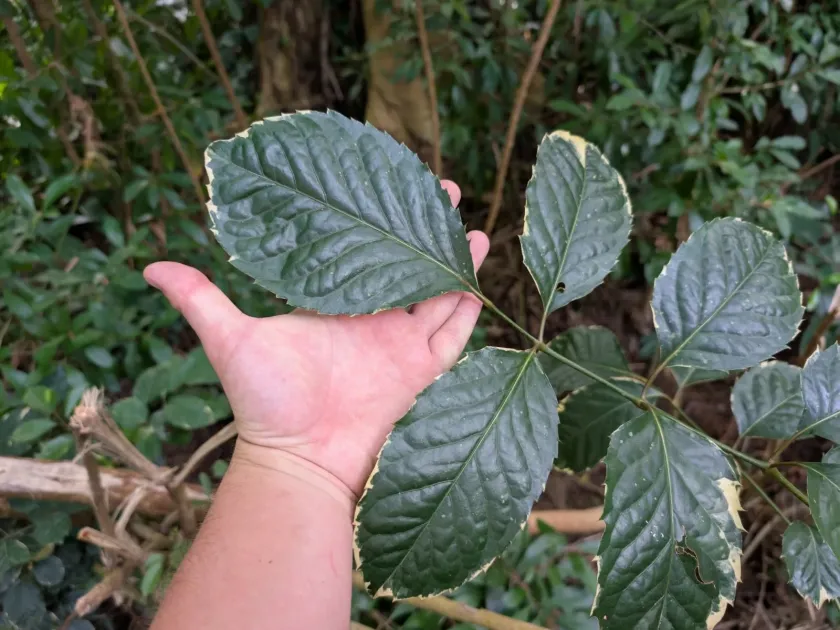
Description
Growing requirements
Polyscias guilfoylei is a member of the Araliaceae family, commonly recognized as a decorative evergreen shrub. In its native tropical habitats, it can grow as a robust woody plant with intricate, often variegated foliage that adds significant aesthetic value.
The origin of this species is traced to the Pacific Islands, where it thrives in warm, humid conditions. Today, it is widely cultivated in temperate zones as a foliage crop, provided that climate-controlled conditions are strictly maintained to mimic its native environment.
This crop requires consistent moisture and protection from temperature fluctuations. It performs best in temperatures between 20°C and 25°C; exposure to temperatures below 15°C often leads to physiological stress and leaf drop, which drastically reduces its commercial value.
Optimal growth is achieved in well-drained, nutrient-rich soil with a slightly acidic profile. High organic matter content mixed with porous additives like pumice or coarse sand ensures that the root system remains oxygenated, preventing hypoxia and subsequent decay.
Light management is crucial; while the plant requires bright, indirect sunlight to maintain its variegation, direct sun exposure is highly discouraged. Consistent light levels prevent etiolation and maintain the compact, branching habit typical of well-nurtured specimens.
Main diseases and pests
Common pests affecting Polyscias guilfoylei include spider mites, which thrive in low-humidity environments. These mites feed on the underside of leaves, leading to chlorosis and potential leaf abscission if not controlled through misting or miticide application.
Mealybugs are another significant threat, often lodging in the leaf axils where they are protected from contact insecticides. Manual removal and the use of systemic pesticides are recommended practices to manage outbreaks in larger plantations.
Root rot is the most prevalent pathological threat, usually triggered by waterlogging and poor soil aeration. This disease disrupts water and nutrient uptake, causing the plant to wither rapidly despite outward appearances of soil moisture.
Fungal leaf spots can occur when foliage remains wet for extended periods in poorly ventilated conditions. Maintaining airflow is essential to prevent the spread of fungal spores and ensure the health of the canopy.
- Implement a strict quarantine for new additions.
- Utilize a balanced fertilization schedule to maintain vigor.
- Ensure containers have sufficient drainage holes.
- Regularly monitor the foliage for early signs of pest colonization.