
Polyscias cutispongia
Polyscias cutispongia
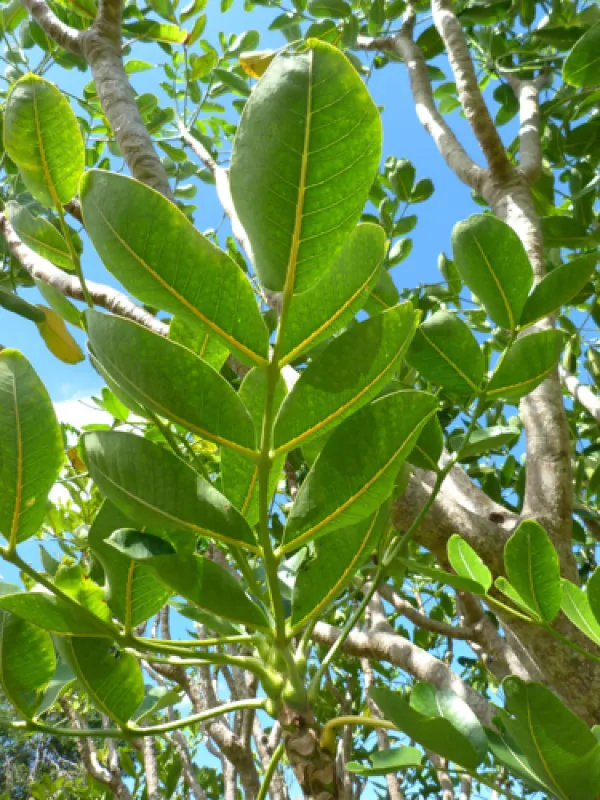
Description
Growing requirements
Polyscias cutispongia is a distinct woody species belonging to the Araliaceae family. Originally found in the tropical forests of Mauritius, it is considered a rare botanical specimen with unique environmental requirements.
This crop thrives in warm climates, requiring temperatures between 20 and 25 degrees Celsius. Consistent humidity is crucial for its development, necessitating a controlled environment in non-native regions.
The ideal soil substrate for this plant should be airy, porous, and nutrient-rich. Proper drainage is essential, as the roots are highly sensitive to waterlogging and soil compaction, which occur easily in heavy substrates.
Regarding light, Polyscias cutispongia prefers shaded or semi-shaded locations. Exposure to direct, intense sunlight can lead to leaf scorching and overall stress, hindering the plant's ability to maintain its healthy structure.
Agronomic management involves slow-release fertilization and regular monitoring of soil acidity. Because it grows slowly, pruning should be minimal and performed only to maintain the structural integrity of the main trunk.
Main diseases and pests
Spider mites are the most common pest for this species, especially in environments where humidity levels fluctuate significantly. Regular misting can act as an effective deterrent against these insects.
Fungal root rot is the primary threat in poorly drained soils. If the medium remains too wet for extended periods, the plant’s health will decline rapidly, often manifesting in necrotic spots on the foliage.
Mealybugs can also infest the stems, particularly in the crevices of the bark, which is characteristic of this species. Manual removal combined with systemic insecticidal treatments is often required for complete control.
Bacterial blight can develop if plants are kept in overcrowded conditions with poor airflow. Maintaining adequate spacing and ensuring constant ventilation are vital agronomic practices to prevent such outbreaks.
Prevention of these threats relies heavily on keeping the cultivation area clean. All tools should be sterilized to prevent the accidental introduction of pathogens into the growing area of these sensitive plants.