
Pastuchov's Ivy
Hedera pastuchovii
Description
Growing requirements
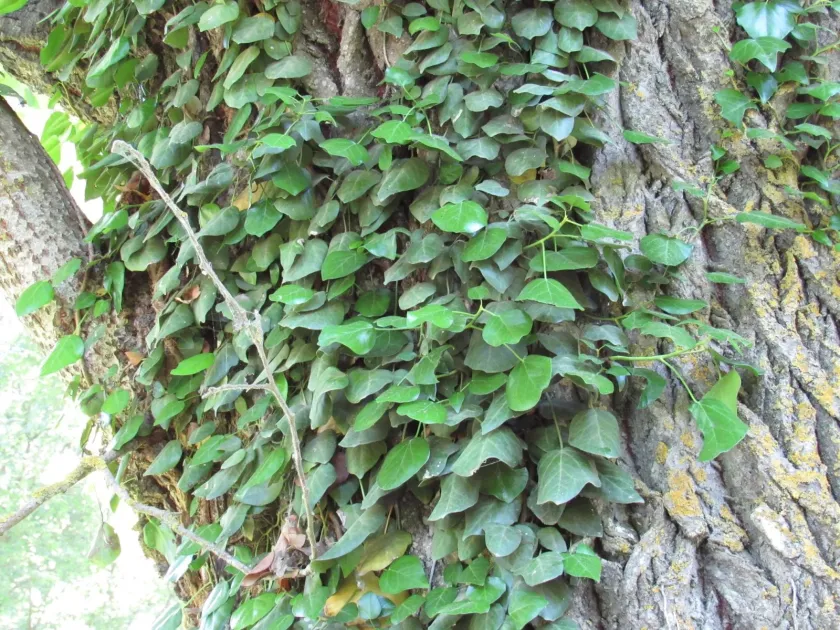
Pastuchov's ivy (Hedera pastuchovii) is a woody evergreen vine belonging to the Araliaceae family. It is native to the Caucasus region and parts of Iran, typically found in humid, sheltered forest habitats where it climbs trees and rock faces.
In cultivation, this species thrives in shaded to semi-shaded environments. It is essential to protect the plant from harsh midday sun and strong winds, which can easily damage its glossy leaves and hinder its development.
The plant requires fertile, well-draining, and moisture-retentive soil. A slightly acidic to neutral substrate rich in organic matter, such as leaf mold or compost, provides the best conditions for its root system to establish effectively.
Agronomic practices focus on consistent watering, especially during the establishment phase and periods of summer drought. Mulching the base of the plant is recommended to maintain stable soil moisture levels and protect roots from temperature fluctuations.
This ivy is valued primarily for its decorative use in landscape architecture. It is an excellent choice for vertical greening of structures, fences, or as a dense groundcover in shaded areas where grass might struggle to grow.
Main diseases and pests
Spider mites are the most common pests affecting this ivy, particularly in dry and warm conditions. Frequent misting and maintaining appropriate humidity levels are effective preventive measures against infestation.
Scale insects can also infest the stems and leaves, causing a decline in plant vigor. If detected, systemic insecticides should be applied promptly to prevent the spread of the pest to other parts of the garden.
Leaf spot diseases, often caused by fungi, can occur when there is poor air circulation. It is advised to prune crowded foliage to ensure adequate ventilation and avoid wetting the leaves when watering the plant.
Root rot is a significant risk in heavy, waterlogged soils. Ensuring that the planting site has excellent drainage is critical to the longevity of the vine, as the roots are sensitive to hypoxia caused by excess water.
Maintaining the overall hygiene of the site by removing fallen, diseased leaves helps in preventing the recurrence of fungal pathogens throughout the growing season.