
Polyscias diversifolia
Polyscias diversifolia
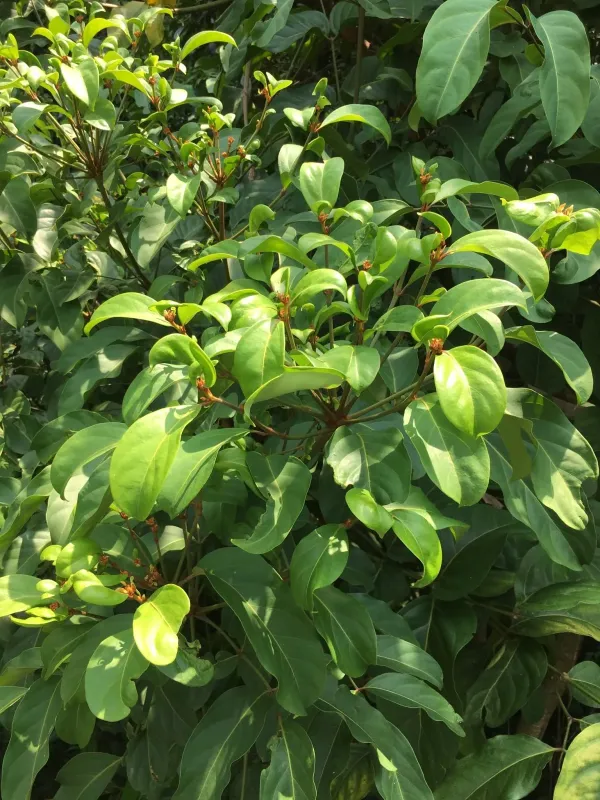
Description
Growing requirements
Polyscias diversifolia is a perennial evergreen shrub belonging to the Araliaceae family. Native to tropical regions, it is widely recognized for its elegant growth habit and the high ornamental value of its diverse foliage, which often features unique shapes.
Botanically, the plant is characterized by a sturdy, wood-like stem and complex, compound leaves. As an indoor or greenhouse crop, it adds significant aesthetic value, requiring specific conditions to maintain its structural integrity and leaf health throughout the year.
The crop thrives in temperatures between 18 and 24 degrees Celsius. Consistent humidity is a critical factor for success; low humidity often leads to the wilting of the foliage, so maintaining a moisture-rich environment is essential for vigorous plant development.
The soil requirements involve a well-draining, nutrient-rich medium, typically a mixture of peat, organic compost, and perlite. Proper drainage is paramount, as the root system of Polyscias is sensitive to waterlogging, which can quickly lead to anaerobic conditions.
Regarding light, it prefers bright, indirect sunlight. While it can adapt to lower light levels, excessive shade will retard growth, and direct exposure to intense noon sun can cause severe leaf scorch, damaging the plant's ornamental appeal.
Main diseases and pests
Common pests include spider mites and scale insects, particularly when environmental humidity drops. Routine monitoring and the use of integrated pest management practices are recommended to keep populations under control without damaging the foliage.
Root rot remains the most significant physiological threat, primarily caused by over-irrigation and poor drainage management. Maintaining a balanced watering schedule is the most effective way to prevent fungal infections and maintain long-term crop health.