
Polyscias rivalsii
Polyscias rivalsii
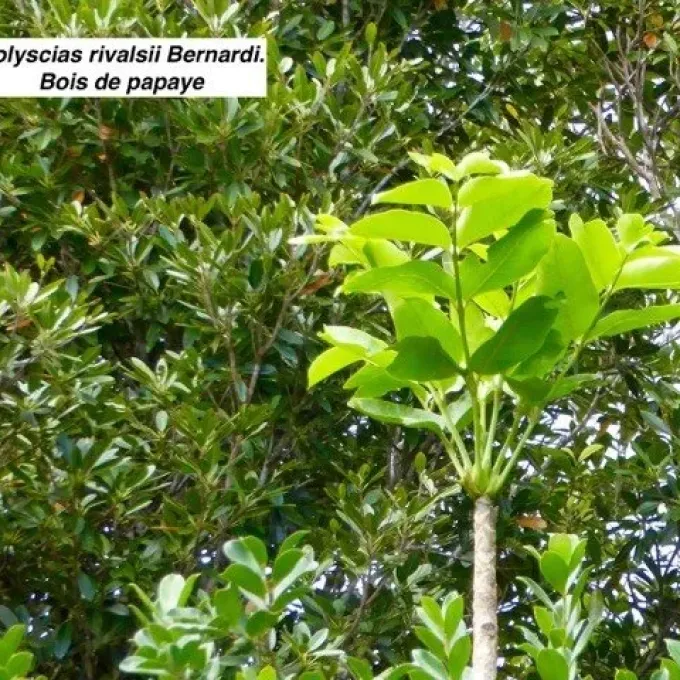
Description
Growing requirements
Polyscias rivalsii is a perennial shrub belonging to the Araliaceae family. Originating from the islands of the Indian Ocean, specifically Reunion, this plant has adapted to tropical environments characterized by high humidity levels and consistent year-round warmth.
The botanical structure of the plant features woody stems and intricate, leathery foliage. Its ability to tolerate pruning and shaping makes it a highly sought-after species for decorative horticulture and the creation of miniature indoor trees or bonsai.
Climate requirements for this culture are stringent; it thrives in temperatures ranging from 20°C to 25°C. It is intolerant of cold drafts and abrupt thermal shifts, which can lead to significant defoliation if not managed correctly.
The soil profile must be nutrient-rich, well-draining, and slightly acidic to neutral. A mixture consisting of peat, leaf mold, and perlite is recommended to maintain the balance between moisture retention and essential root aeration.
Agronomic maintenance includes regular, controlled watering. It is essential to allow the surface layer of the soil to dry slightly before the next irrigation to prevent waterlogging, which the root system is highly susceptible to.
Main diseases and pests
Major diseases affecting Polyscias rivalsii are often linked to improper irrigation practices. Root rot, caused by fungal pathogens such as Pythium or Phytophthora, frequently occurs in overly wet, non-draining soil media.
Spider mites are the most common pest, especially in indoor environments where the air humidity is kept low. They cause chlorosis and eventual leaf drop by piercing leaf cells and extracting sap, which hampers the plant's aesthetic value.
Scale insects present a difficult challenge due to their protective coverings. They typically colonize stems and the underside of leaves, requiring systemic insecticide treatment to effectively control their spread and impact.
Mealybugs can also infest this culture, particularly in the leaf axils. They produce a sticky substance that attracts secondary fungal growth, such as sooty mold, which further interferes with the plant's ability to undergo photosynthesis.
Integrated pest management involves regular inspections, quarantine of new arrivals, and the application of appropriate biological or chemical controls. Keeping the foliage clean and maintaining optimal environmental conditions are the best preventative measures.