
Polyscias bernieri
Polyscias bernieri
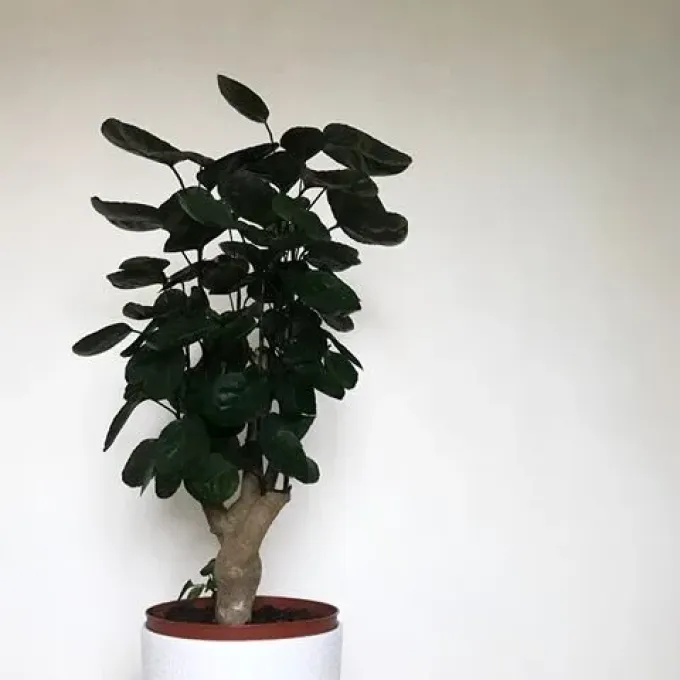
Description
Growing requirements
Polyscias bernieri is a distinct botanical species belonging to the Araliaceae family, native to the tropical forests of New Caledonia. This plant is characterized by its elegant foliage and is widely appreciated as an ornamental horticultural crop in tropical and indoor climates.
The plant requires stable growing conditions with temperatures consistently maintained between 18 and 25 degrees Celsius. Sudden drops in temperature are detrimental to the plant, often leading to physiological stress and rapid leaf drop.
High relative humidity is essential for the healthy development of Polyscias bernieri. Ideally, humidity levels should stay above 60 percent, which can be achieved through regular misting, the use of pebble trays, or automated humidification systems.
The substrate must be highly permeable, nutrient-rich, and well-draining. A professional soil mix typically includes peat moss, perlite, and organic compost to ensure that roots receive sufficient oxygen while retaining necessary moisture.
Bright, filtered light is the optimal lighting condition for this species. It should be shielded from direct, harsh sunlight, which can quickly scorch the delicate leaf surfaces, reducing both aesthetic appeal and photosynthetic efficiency.
Main diseases and pests
Common pests affecting Polyscias bernieri include spider mites, which thrive in low-humidity environments. Regular monitoring of the leaf undersides is recommended to ensure early detection and prompt treatment with miticides.
Mealybugs are another prevalent threat that can significantly stunt the plant's growth if left unchecked. They manifest as white, cotton-like masses, usually occurring in the junctions between stems and petioles.
Scale insects can attach to the stems and branches, causing localized tissue damage. Mechanical removal followed by horticultural oil applications is an effective method for managing minor infestations of these pests.
Root rot, driven by overwatering or poor drainage, remains the primary pathological concern for this culture. It causes the root system to become necrotic and prevents the plant from absorbing necessary water and nutrients.
Fungal leaf spot diseases can develop in stagnant, humid air with poor circulation. Providing sufficient space between plants and maintaining good airflow is crucial for long-term health and disease prevention.