
Polyscias repanda
Polyscias repanda
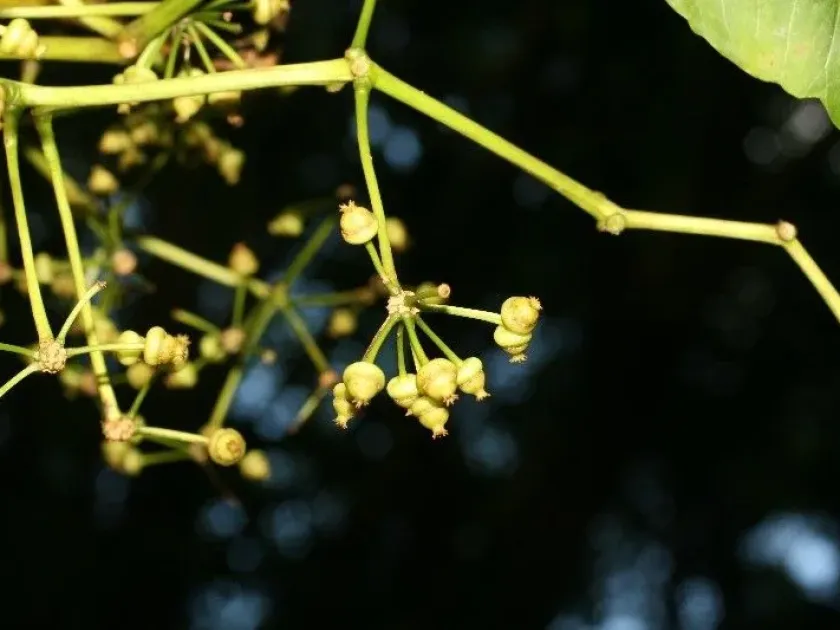
Description
Growing requirements
Polyscias repanda is an ornamental plant species belonging to the Araliaceae family. Native to the tropical regions of Asia and the Pacific Islands, this plant is well-known for its elegant, wavy-margined foliage.
In a horticultural setting, it is primarily cultivated as a high-value ornamental species. Its structural appearance makes it a popular choice for indoor garden displays and controlled environment greenhouses.
The plant requires a stable temperature range between 18°C and 25°C to thrive. It is sensitive to sudden temperature fluctuations and cold drafts, which can cause significant physiological stress and lead to foliage drop.
Soil requirements involve a well-draining, nutrient-rich potting medium. A mixture of loam, organic compost, and coarse sand provides the necessary aeration and moisture-holding capacity for healthy root development.
While the species exhibits a degree of shade tolerance, it grows best in bright, indirect sunlight. Exposure to harsh, direct sunlight during peak hours can result in leaf scorching and damage to the plant's delicate tissues.
Main diseases and pests
Common pests encountered by this species include spider mites and scale insects. These pests often proliferate in environments with low air humidity, necessitating regular misting and monitoring of the foliage.
Root rot remains the most significant threat to the plant's health, typically caused by waterlogged soil conditions. Ensuring a robust drainage system is crucial to maintaining the long-term viability of the root system.
Poor ventilation can lead to the development of powdery mildew and other fungal infections. Keeping the plant in a well-ventilated space helps mitigate the risk of disease spread within the collection.
Yellowing or dropping leaves often indicate improper moisture management. Careful attention to the soil moisture levels before watering is essential to prevent physiological decline.
Integrated pest management, including the use of systemic insecticides and manual cleaning of the leaves, is highly recommended to manage infestations effectively.